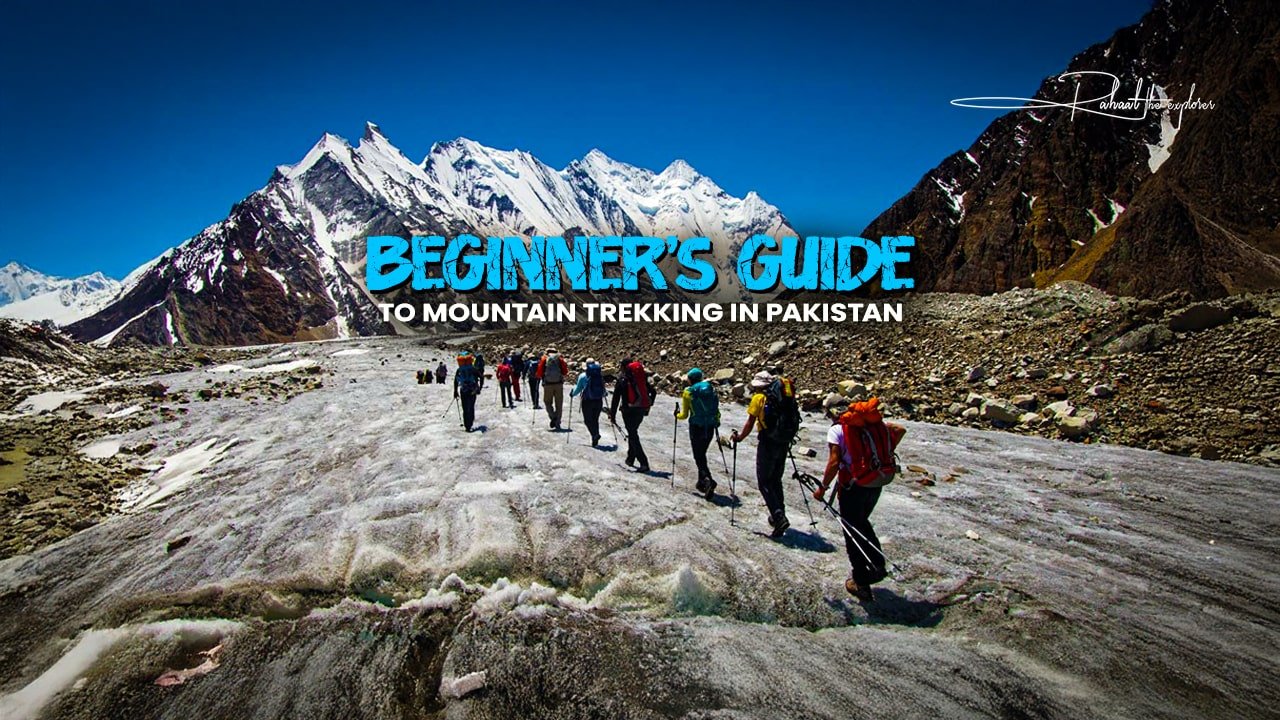
Pakistan is one of the most stunning trekking destinations in the world, home to the mighty Karakoram, Himalayas, and Hindu Kush mountain ranges. Each region offers unique landscapes with high peaks, glaciers, green valleys, alpine lakes, and thrilling trekking routes. Over the years, the demand for adventure travel has increased, making mountain trekking pakistan a dream activity for both local and international trekkers.
For beginners, trekking in Pakistan might feel overwhelming at first. The terrain, weather, altitude, and distance can challenge anyone who is not physically prepared. But with the right guidance, preparation, and safety knowledge, the experience can be life-changing.
This comprehensive guide will help you plan your first trekking adventure in the mountains of Pakistan with confidence. From choosing the right route to packing gear and staying safe on the trail, everything is covered here.
Why Choose Mountain Trekking in Pakistan?
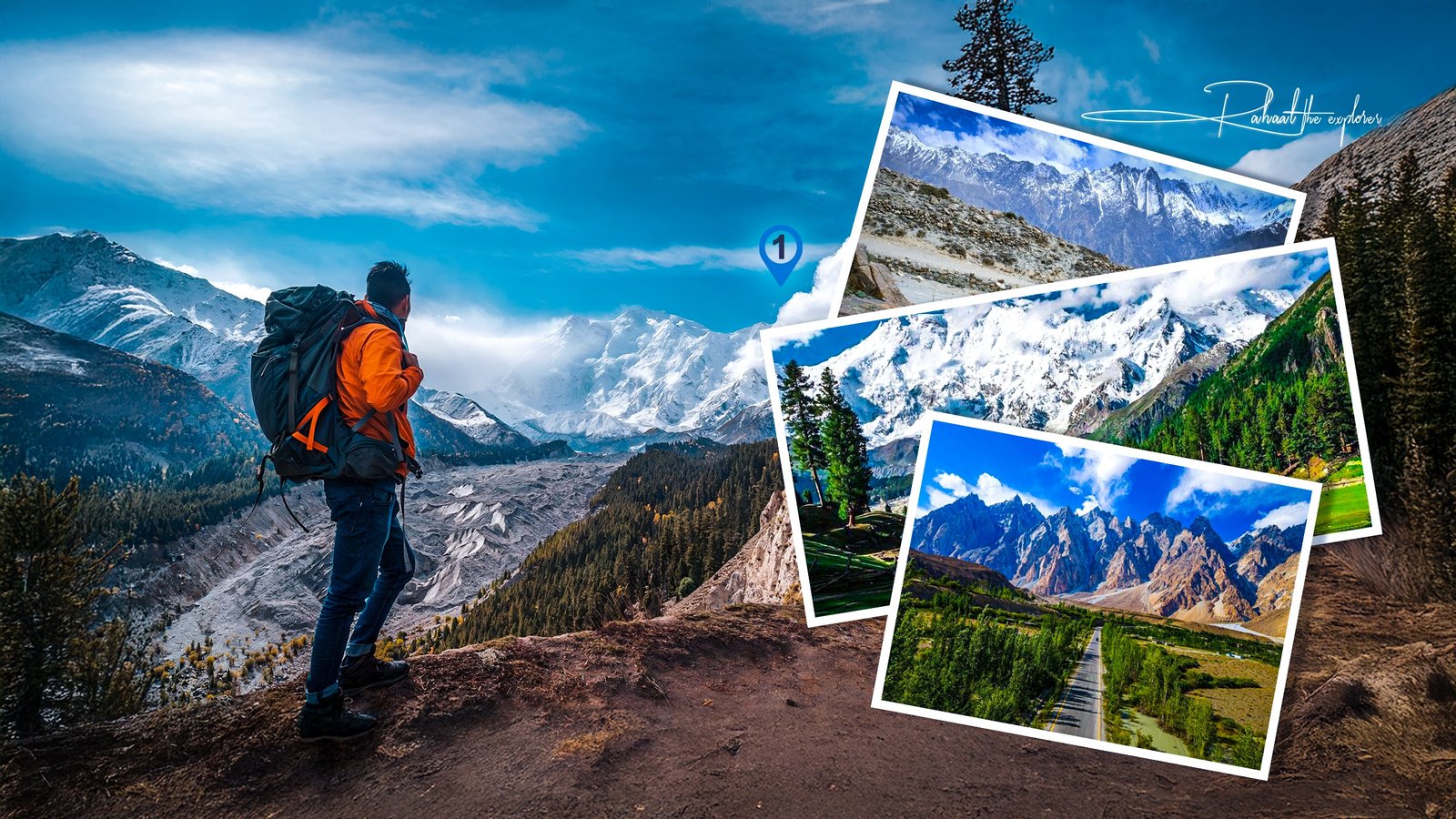
Pakistan’s northern regions boast some of the highest and most famous peaks in the world such as K2, Nanga Parbat, and Rakaposhi. Beyond mountaineering, the country also offers accessible trekking trails perfect for beginners.
Key reasons to trek in Pakistan:
• World-class mountain landscapes
• Diverse trekking difficulty levels
• Affordable compared to other trekking countries
• Friendly local communities
• Opportunities to explore unique culture and food
Whether you want a peaceful trek to a beautiful lake or a slightly challenging route with breathtaking views, mountain trekking pakistan offers experiences unlike any other.
Best Beginner-Friendly Trekking Destinations in Pakistan
Here are some of the easiest yet most rewarding trekking options for new trekkers:
1. Fairy Meadows Trek
• Location: Astore/Gilgit-Baltistan
• Trek Duration: 2–3 hours after Jeep track
• Best For: First-time trekkers and nature lovers
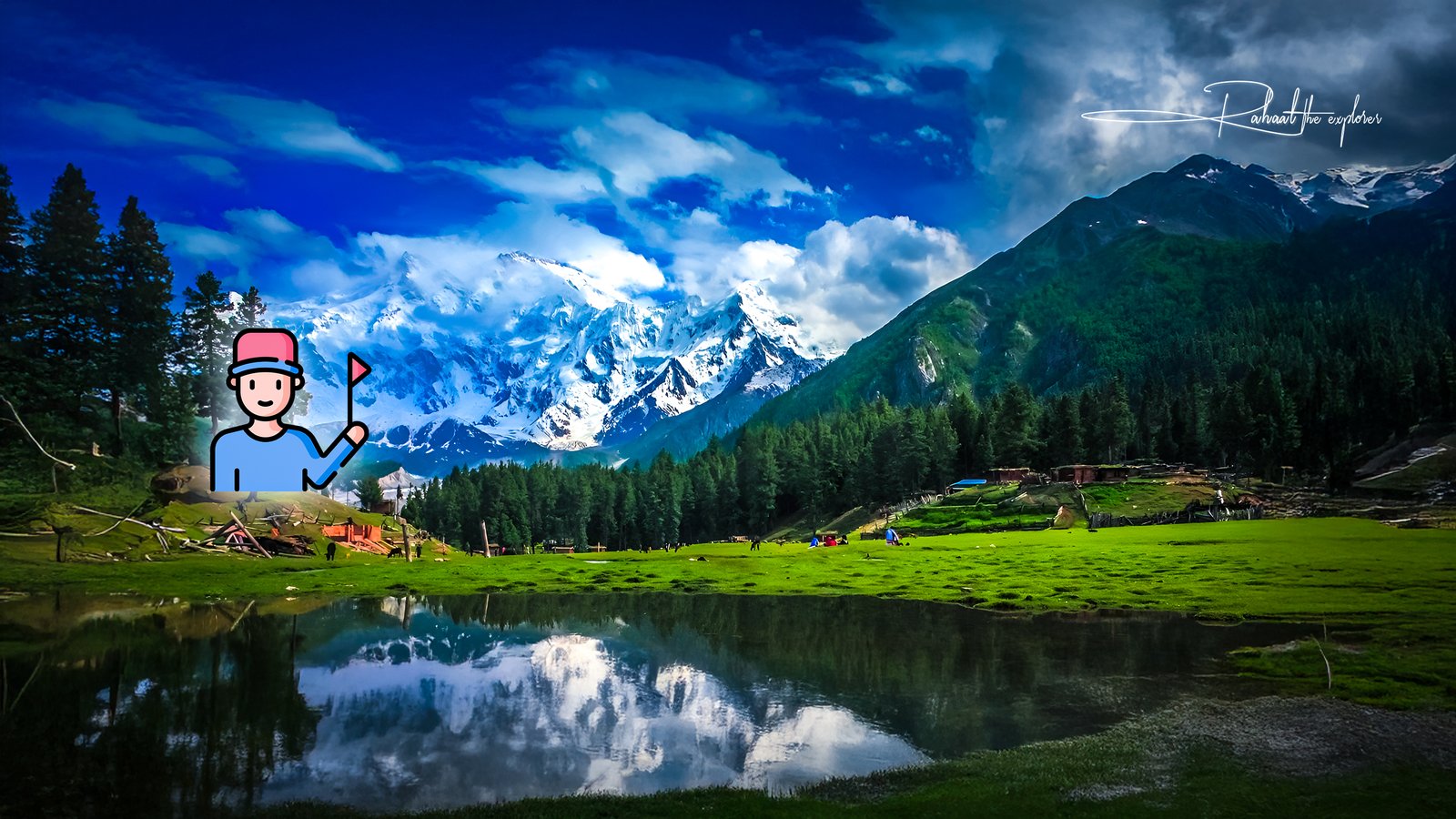
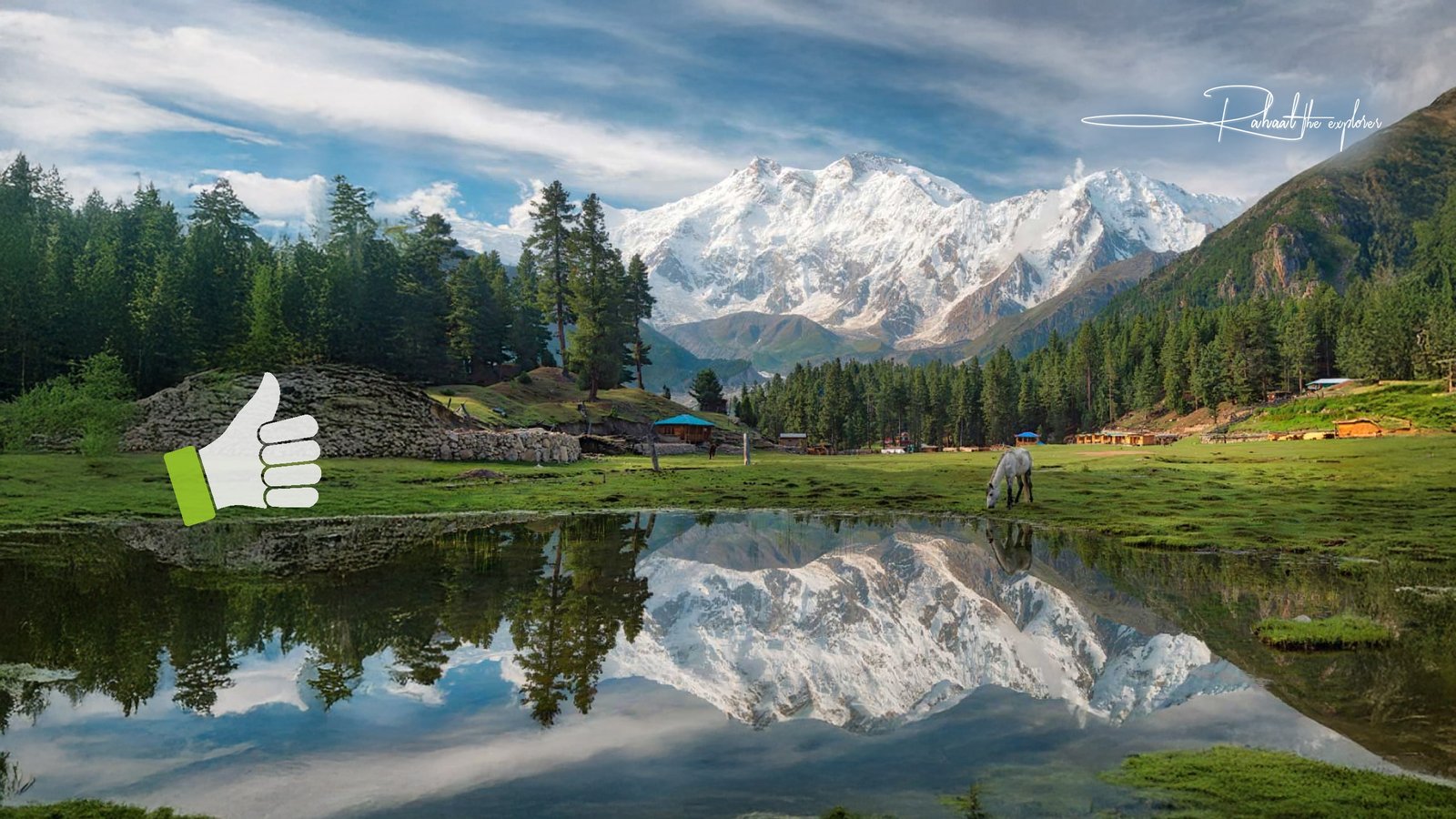
Known as the gateway to Nanga Parbat, Fairy Meadows is a popular beginner trek offering forest pathways and an unforgettable view of the ninth-highest peak.
2. Naltar Valley + Naltar Lakes Trek
• Close to Gilgit city and beginner friendly
• Short hiking routes to lakes surrounded by forests and colorful landscapes
• Ideal for families and photography trips
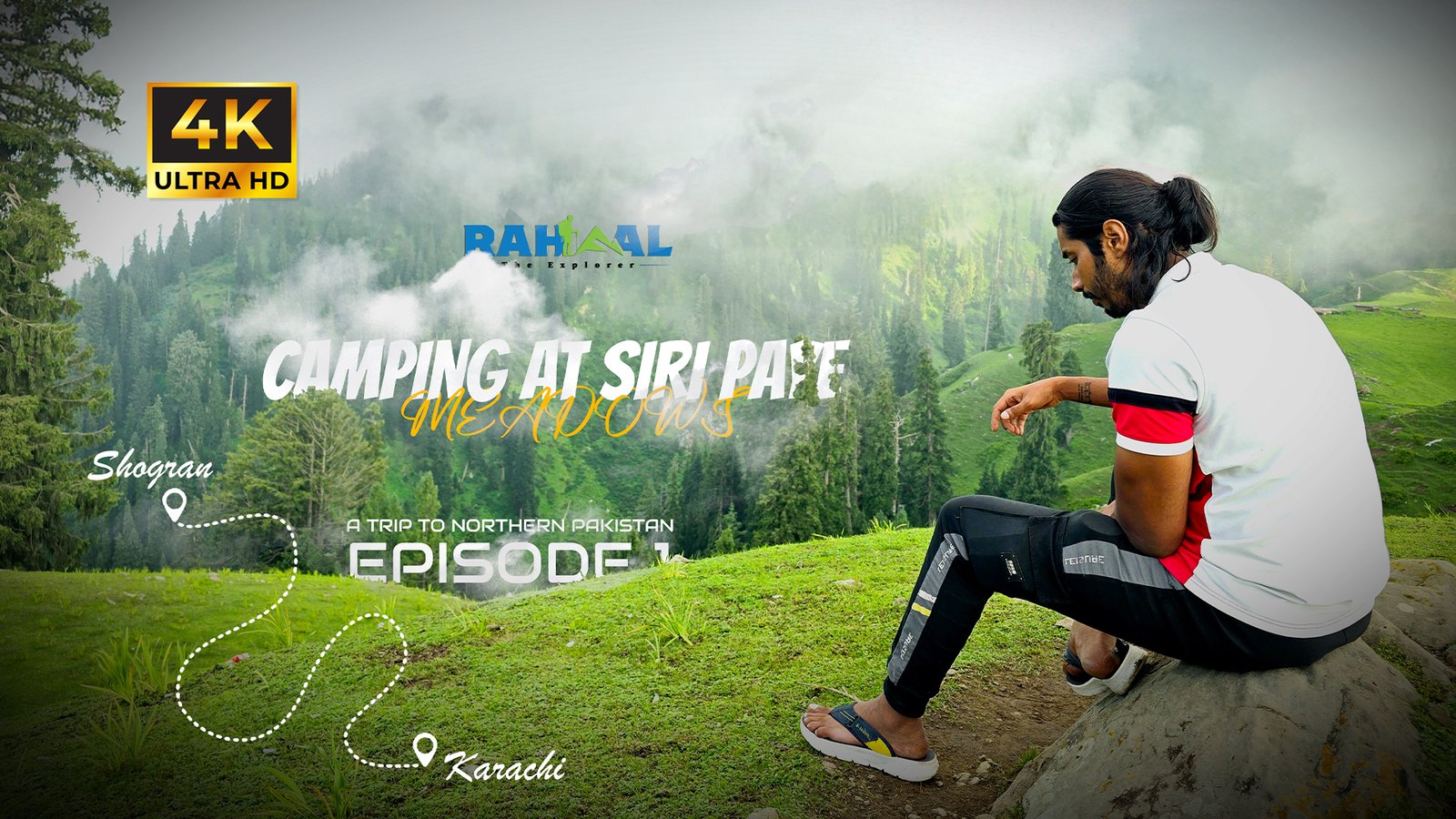
3. Siri Paye Meadows, Shogran
• Moderate ascent but suitable for beginners
• Jeep access covers most distance
• Lush green meadows and mountain views
4. Miranjani Trek, Nathia Gali
• One of the most enjoyed beginner trails near Islamabad
• 3–4 hour hike with a clear path
• Cool weather and dense forests
5. Rakaposhi Base Camp Trek (Easier Sections)
• Moderate but manageable with guidance
• Amazing views of Rakaposhi Glacier and surrounding peaks
These treks provide a great introduction to mountain trekking pakistan without extreme altitude challenges.
Training and Fitness Preparation
Even beginner trails require basic fitness. Trekking tests your stamina, strength, balance, and mental endurance.
Recommended Fitness Plan
Start 4–6 weeks before your trek:
• Daily walking or jogging (30–45 minutes)
• Stair climbing for leg conditioning
• Light strength exercises including squats and lunges
• Breathing exercises for altitude adaptation
• Stretching for flexibility
Consistency is more important than intensity. The stronger you start, the more enjoyable your trek will be.
Essential Gear Checklist
Proper gear is the key to comfort and safety. Even though trails differ, these items are required for all trekking routes in Pakistan:
Clothing
• Breathable T-shirts
• Insulating layer (fleece or wool)
• Waterproof jacket and trousers
• Trekking boots with ankle support
• Extra socks and gloves
• Cap or head covering for sun protection
Trekking Equipment
• Backpack (30–40L)
• Trekking poles
• Lightweight sleeping bag (if staying in camps)
• Headlamp or flashlight
Other Essentials
• Water bottles or hydration pack
• Sunscreen and sunglasses
• First aid kit
• Snacks like energy bars and nuts
• Power bank
• Personal identification documents
Local rental options exist, but owning personal gear ensures comfort.
Safety Tips for Beginners
Mountains are beautiful but unpredictable. Follow these key rules:
• Check weather updates before starting
• Hike with a guide or experienced group
• Take breaks frequently and hydrate well
• Inform someone about your trekking plan
• Avoid trekking in late evening or night
• Respect wildlife and protect nature
• Follow marked trails only
• Maintain slow and steady pace at altitude
Altitude sickness awareness is necessary even for beginners:
Altitude Sickness Symptoms
• Headache
• Dizziness
• Nausea
• Shortness of breath
If symptoms appear, take immediate rest and descend to a lower altitude if needed.
Best Time for Mountain Trekking in Pakistan
Pakistan has diverse climates depending on the region and elevation. However, the ideal trekking seasons are:
• Late April to early October for northern areas
• Winters are extremely cold and not beginner-friendly
The peak summer months are June to August, offering stable weather and accessible roads.
How to Choose the Right Trek for You
Ask yourself:
✔ What is your fitness level?
✔ Do you prefer lakes, forests, or mountain viewpoints?
✔ How many days can you dedicate to trekking?
✔ Will you camp or stay in huts/guesthouses?
Short treks with less altitude gain are perfect for your first adventure. Overambitious plans can lead to exhaustion or injuries.
Most first-time trekkers begin with Fairy Meadows, Shogran, Naltar, or Nathia Gali routes because these are safe, scenic, and beginner-friendly destinations for mountain trekking pakistan.
Cultural Respect and Local Etiquette
Northern Pakistan is known for its warm hospitality and traditional values. While traveling:
• Dress modestly around villages
• Ask before taking someone’s photograph
• Support local businesses instead of imported brands
• Respect religious and cultural norms
A positive attitude strengthens tourism and relationships with local communities.
Environmental Responsibility
Pakistan’s mountain trails are home to rare plants, animals, and natural ecosystems. Protect them for future travelers:
• Do not litter — carry back all trash
• Use refillable bottles, avoid plastic
• Stay on established pathways
• Avoid campfires in protected forest zones
• Do not disturb wildlife
Sustainable trekking keeps nature healthy and tourism strong.
Costs and Budgeting
Pakistan is an affordable trekking destination. Pricing depends on location, duration, and season.
Typical beginner trek cost breakdown:
| Expense Type | Estimated Cost (PKR) |
|---|---|
| Transportation | 3,000 – 15,000 |
| Accommodation | 2,000 – 8,000 per night |
| Guide Charges | 5,000 – 15,000 |
| Food | 1,000 – 3,000 per day |
| Gear Rental (if required) | 3,000 – 10,000 |
Planning ahead helps manage costs efficiently.
What to Expect on Your First Trek
Trekking experiences vary, but beginners often notice:
• Increased stamina and confidence
• New friendships built on shared adventure
• Better understanding of nature and culture
• A strong sense of achievement
The journey teaches patience, discipline, and respect for the mountains.
FAQs
1. Is mountain trekking in Pakistan safe for beginners?
Yes, especially on well-known and guided routes.
2. Do I need special permits?
Some high-altitude areas require permits, but beginner trails mostly do not.
3. What should I do if altitude sickness occurs?
Stop, rest, hydrate, and descend if symptoms worsen.
4. Can families with children join beginner treks?
Yes. Spots like Shogran, Naltar, and Fairy Meadows are popular for family trips.
5. What is the best region for beginners?
Gilgit-Baltistan and Khyber Pakhtunkhwa offer the most beginner-friendly trekking options.
Final Thoughts
Starting your journey into mountain trekking pakistan is exciting and rewarding. With breathtaking scenery, rich culture, and accessible trails, Pakistan is a top destination for first-time trekkers seeking adventure. The mountains may challenge you, but they also offer peace, inspiration, and memories that last a lifetime.
Prepare well, trek responsibly, and embrace every moment on the trail. Once you experience the thrill of mountain trekking in Pakistan, you will be eager to return and explore more advanced routes.
Your first trek might just be the beginning of a lifelong passion.