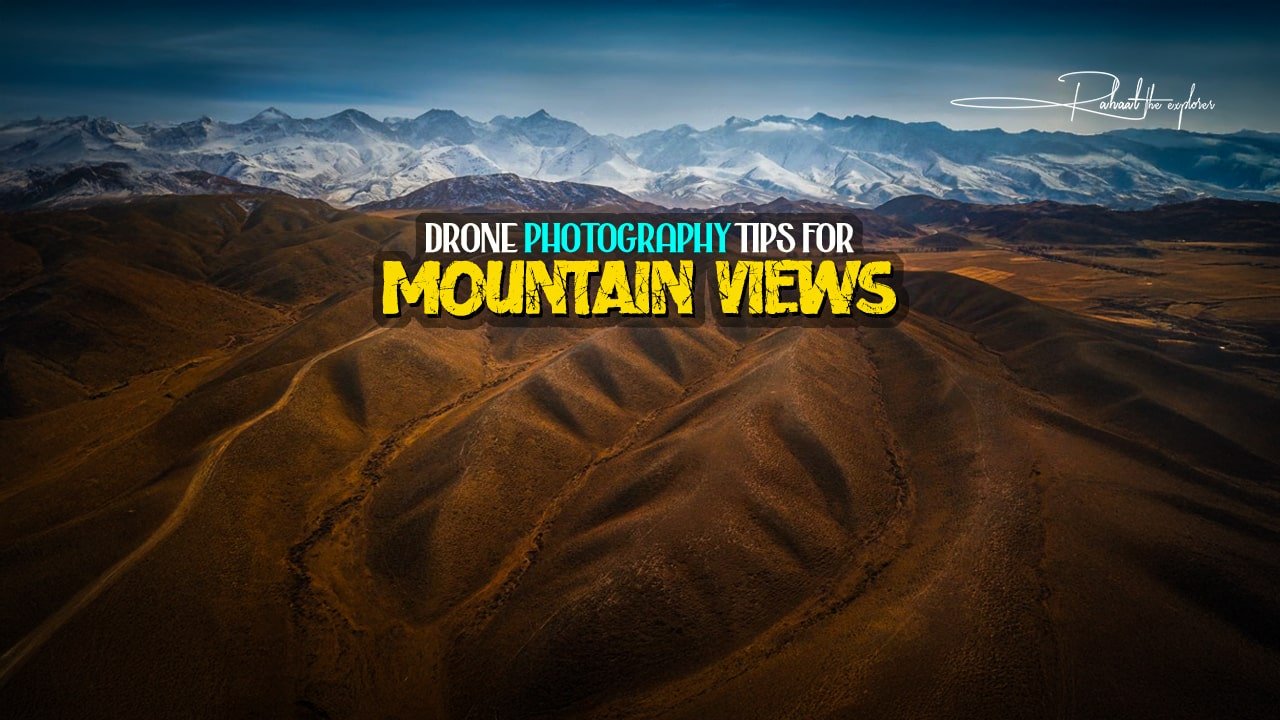

Capturing the beauty of the mountains is one of the most rewarding experiences for photographers. When combined with drone technology, these breathtaking landscapes become even more magical. Pakistan, with its majestic peaks, crystal-clear lakes, deep valleys, and vibrant cultural landscapes, is a dream destination for drone enthusiasts. Whether you are exploring the Karakoram, Himalayas, or Hindukush mountain ranges, mastering aerial photography techniques will help you produce outstanding visual content that stands out online.
This comprehensive guide is crafted especially for travel photographers, content creators, and adventurers looking for insights into drone photography Pakistan. From choosing the right equipment to mastering camera settings and respecting local laws, this blog provides all the details you need to capture incredible mountain views while maintaining safety and professionalism.
Why Drone Photography is Perfect for Mountain Landscapes
Mountain landscapes are vast and sometimes impossible to fully capture from the ground. Drones allow you to:
• Reach higher viewpoints
• Showcase scale and depth
• Capture unique angles
• Create cinematic shots
• Open new storytelling opportunities
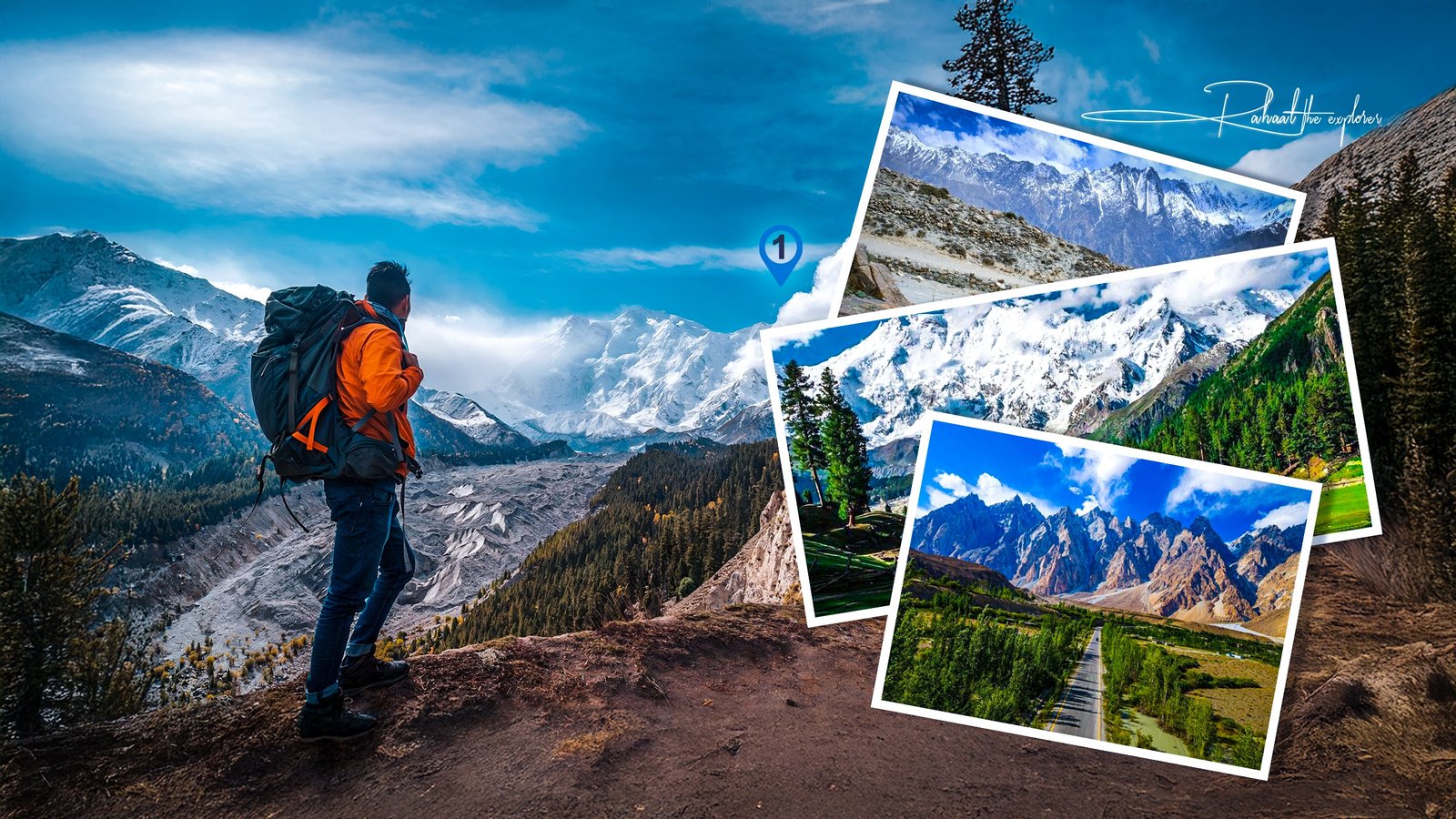
Pakistan’s northern region offers high-altitude terrains where roads cannot reach. Drones give photographers access to layers of scenery, including snow-capped peaks, lush valleys, glaciers, and meandering rivers.
If you truly want to showcase nature in its grandest form, aerial shots are essential.
Essential Drone Gear for Mountain Photography
High-quality gear enhances image stability, detail, and overall output. Here are the essentials to consider:
1. Drone Selection
Choose drones known for reliability, wind resistance, and superior image quality. Features to look for:
• 4K or higher resolution camera
• 3-axis gimbal stabilization
• Extended battery life
• Good obstacle avoidance sensors
• Compact design for trekking
Popular choices among creators include foldable drones that pack easily into backpacks.
2. Extra Batteries and Chargers
Cold temperatures drain batteries faster. Always carry:
• Minimum three fully charged batteries
• Portable charging hubs
• Power banks or solar chargers for multi-day hikes
3. ND Filters
These are crucial to maintain cinematic motion blur and correct exposure in bright mountain light.
4. Extra Propellers
Harsh winds and minor bumps can damage propellers. Keep spares to avoid losing flight opportunities.
5. Storage and Backpacking Gear
A sturdy waterproof backpack protects your drone during long treks and unpredictable weather.
Mastering Camera Settings for Mountains
Capturing mountains requires settings that balance sharp details and real-life colors. Lighting changes fast at elevation, so be ready to adjust as needed.
Recommended settings:
• Shoot in RAW for advanced editing flexibility
• ISO 100-400 to avoid noise
• Aperture: f/4 – f/8 for deeper focus
• Shutter speed: adjust depending on wind and motion
• Use manual white balance to avoid color shifts
For video:
• Frame rate: 24 or 30 fps for cinematic look
• Shutter speed: Double your frame rate rule (ex. 1/60 for 30fps)
• Add ND filters to maintain correct exposure
Use histogram display to ensure highlights are not overexposed when filming snowy mountains.
Composition Tips for Jaw-Dropping Mountain Shots
Even with advanced technology, composition is what turns a picture into art. Here are top professional techniques:
Rule of Thirds
Position peaks, lakes, or interesting structures along gridlines to create a balanced composition.
Leading Lines
Rivers, roads, and ridges guide the viewer’s eye into the scene.
Foreground Interest
Capture layers such as trees, tents, cliffs, or rock textures to add dimension.
Showcase Scale
Include hikers, huts, vehicles, or animals to show how massive the mountains are.
Golden Hour Advantage
Sunrise and sunset produce soft light, long shadows, and vibrant tones that enrich landscapes.
Safety and Legal Rules for Flying Drones in Pakistan
Before flying for drone photography Pakistan, understanding regulations is important.
General safety rules:
• Avoid flying near airports or military zones
• Maintain line-of-sight visibility
• Respect wildlife and local communities
• Learn wind patterns and weather before takeoff
• Check your drone’s GPS and compass calibration
Some mountain regions are close to borders, where drone usage may be restricted. Seeking permission from local authorities is a smart and responsible step for every aerial photographer.
Dealing with Harsh Mountain Conditions
Mountains challenge both humans and machines. To protect your drone and capture better footage:
Wind Management
Fly lower and closer to land when wind picks up. Avoid ridge tops where gusts are strongest.
Temperature Awareness
Batteries discharge quickly in cold. Keep them warm inside pockets with hand warmers.
Takeoff and Landing Spots
Look for flat, stable areas away from dust or loose gravel to prevent damage to motors and sensors.
GPS Connectivity
High peaks sometimes cause signal interference. Stay calm and regain manual control if needed.
Preparedness ensures both safety and high-quality footage.
The Art of Storytelling in Drone Photography
Aerial visuals shine the brightest when they tell a story rather than just displaying a scene. Think about:
• What message do you want to convey
• What emotions should viewers feel
• How do different frames connect to create a narrative
Use:
• Wide establishing shots
• Mid-shots showing terrain details
• Close-ups of key focal points
Your photography should transport viewers into the breathtaking world you are witnessing from above.
Best Mountain Locations for Drone Photography Pakistan
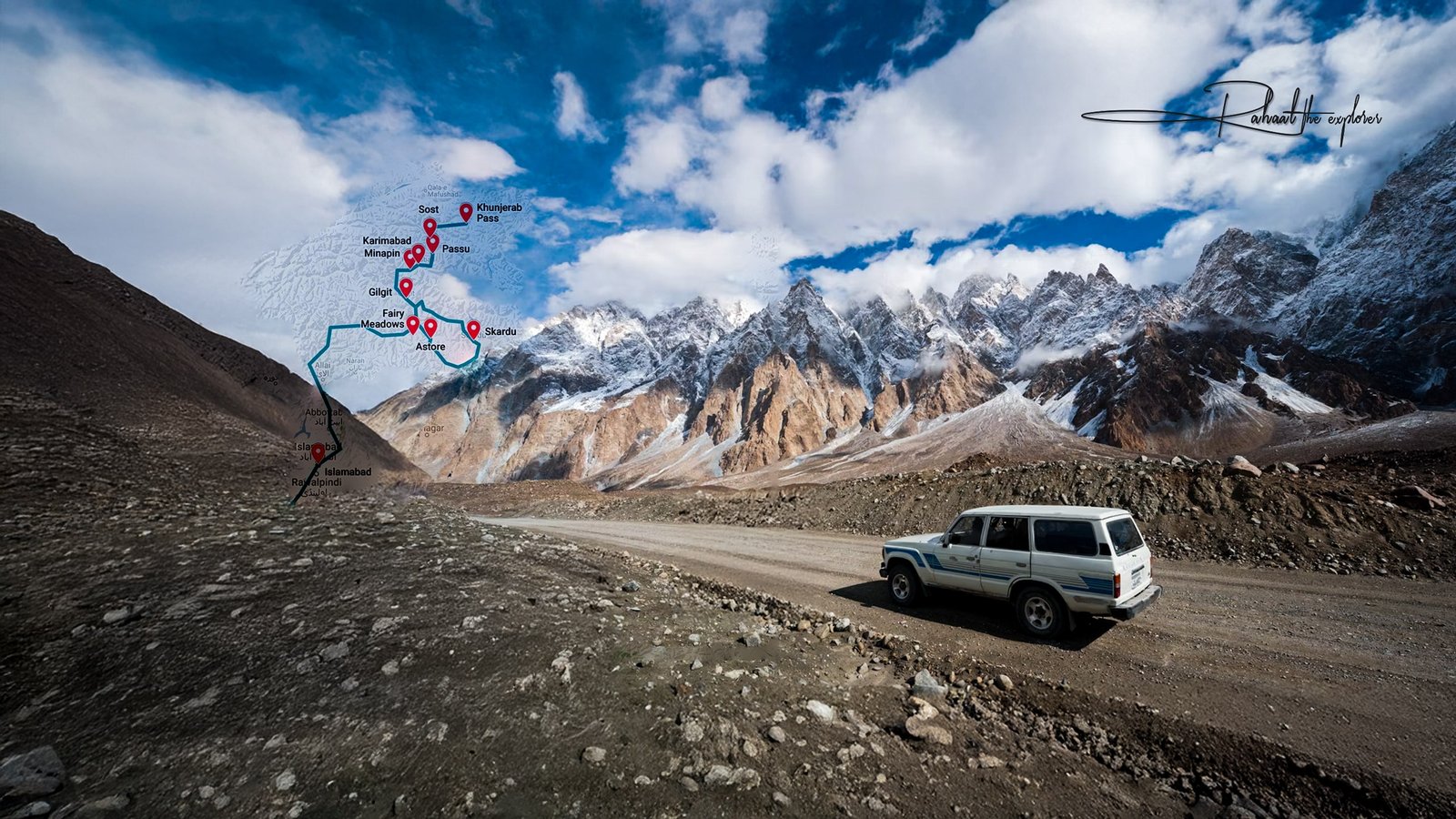
Northern Pakistan is a paradise for aerial creators. These top regions offer jaw-dropping mountain scenery:
Hunza Valley
Featuring Ultar Sar, Ladyfinger Peak, Rakaposhi, Passu Cones, and Attabad Lake. Ample scenery for professional drone portfolios.
Skardu Region
K2, Deosai Plains, Satpara Lake, and Shigar Valley provide diverse photography conditions.
Naran and Kaghan Valleys
Lush landscapes, alpine lakes like Saif-ul-Malook, and dramatic peaks are perfect for drone compositions.
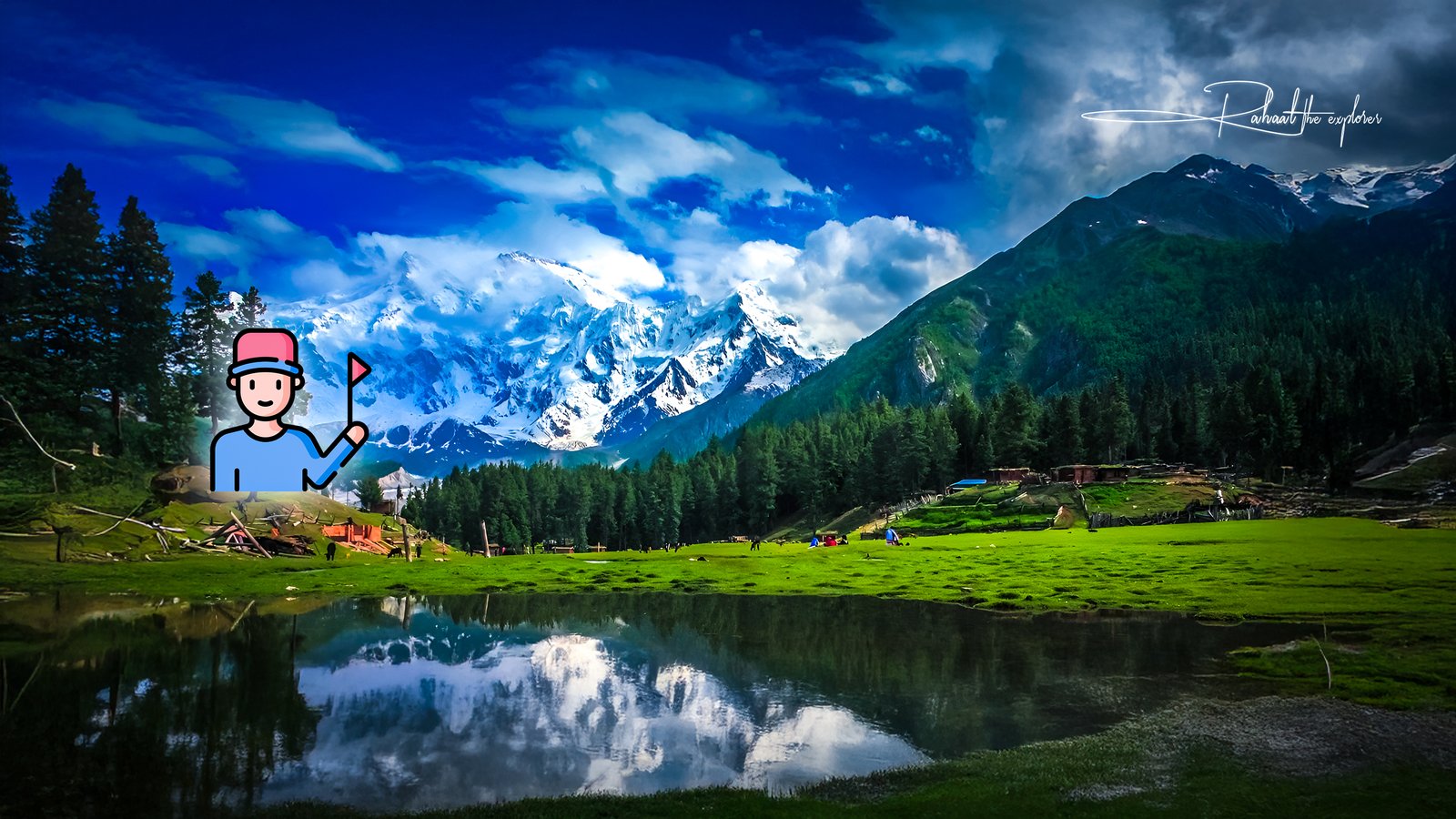
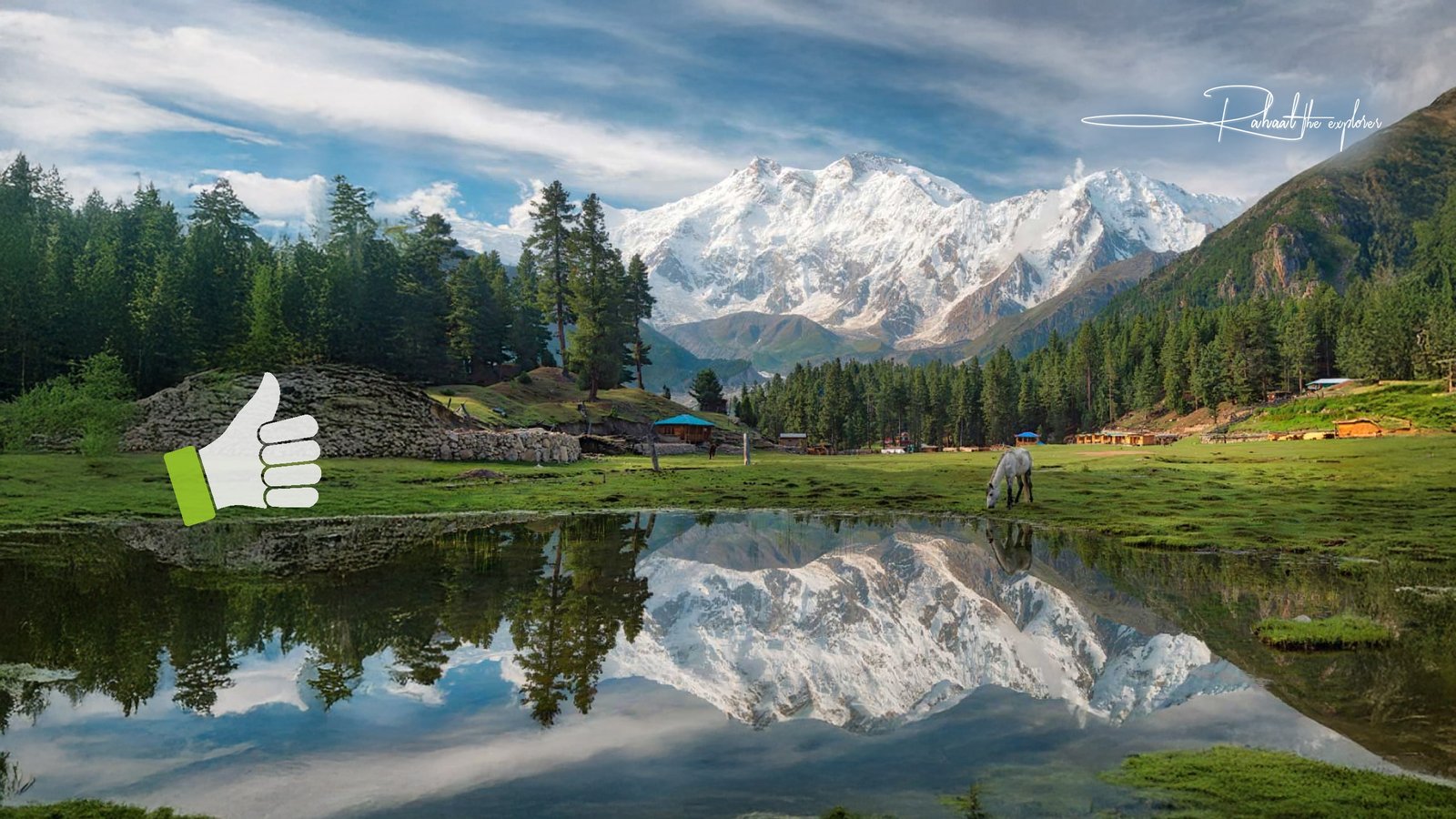
Fairy Meadows
One of the finest base viewpoints of Nanga Parbat, known as the Killer Mountain. A dream location for aerial landscape shots.
Swat and Kumrat Valleys
Forests, rivers, meadows, and snow-covered peaks offer a cinematic environment throughout the year.
Wherever you choose to go, the keyword drone photography Pakistan becomes a reality of unforgettable adventures.
Editing Your Mountain Drone Images
Editing transforms raw visuals into professional masterpieces. Focus on:
• Highlighting contrasts to reveal rocky textures
• Enhancing blues and greens for realistic color grading
• Reducing haze in long-distance shots
• Adjusting shadows to show details in darker areas
• Keeping natural look, avoiding over-saturation
Software like Adobe Lightroom and DaVinci Resolve are widely used tools for post-processing.
Preparing for Multi-Day Mountain Drone Missions
Adventure filming often requires days of hiking and camping. Smart planning helps secure steady content.
Checklist:
• Drone gear securely packed
• Weather forecast checked
• Power management strategy ready
• Maps or offline GPS downloaded
• Local customs and permissions clarified
Capturing mountains is not just photography. It is an expedition.
Telling Local Stories Responsibly
Pakistan’s northern areas are home to indigenous communities, shepherds, and mountaineers. When filming:
• Respect privacy
• Ask permission before recording people
• Avoid disturbing livestock or sacred places
Responsible creators protect the environment and culture they document.
This builds trust and improves travel experiences.
Common Mistakes to Avoid in Mountain Drone Photography
Learn from professionals and avoid these beginner errors:
• Flying too far away, losing signal
• Filming with dirty or foggy lenses
• Ignoring battery warnings
• Shooting only high-angles with no depth
• Forgetting to monitor wind changes
• Relying solely on auto mode instead of manual settings
Practice makes perfect, but awareness prevents costly mistakes.
Final Thoughts
Pakistan offers some of the most dramatic and photogenic mountains on Earth. By mastering drone techniques, respecting regulations, and planning your adventures thoughtfully, you can create extraordinary aerial visuals that showcase the true beauty of nature.
Whether you are a traveler documenting your journey, a content creator aiming for viral videos, or a photography enthusiast exploring artistic horizons, remember that drone photography Pakistan is more than technology. It is about passion, storytelling, and embracing the vastness of the wild.
Frequently Asked Questions (FAQs)
1. Which drone is best for mountain photography in Pakistan?
A compact 4K drone with strong wind resistance and long battery life is ideal. Choose a reliable brand with obstacle sensors for safety in rugged landscapes.
2. Do I need permission to fly a drone in northern Pakistan?
Yes. Certain regions, especially near borders and sensitive sites, require approval from local authorities. Always confirm regulations before flying.
3. How can I prevent battery drain in cold weather?
Keep batteries insulated inside your clothing and avoid lengthy hover times in the cold.
4. What time is ideal for capturing mountains?
Golden hour at sunrise and sunset provides the most beautiful soft light and vibrant shadows.
5. What settings should I use for drone videos?
Shoot in manual mode, use ND filters, and maintain a frame rate of 24-30fps with shutter speed double your frame rate for cinematic motion.