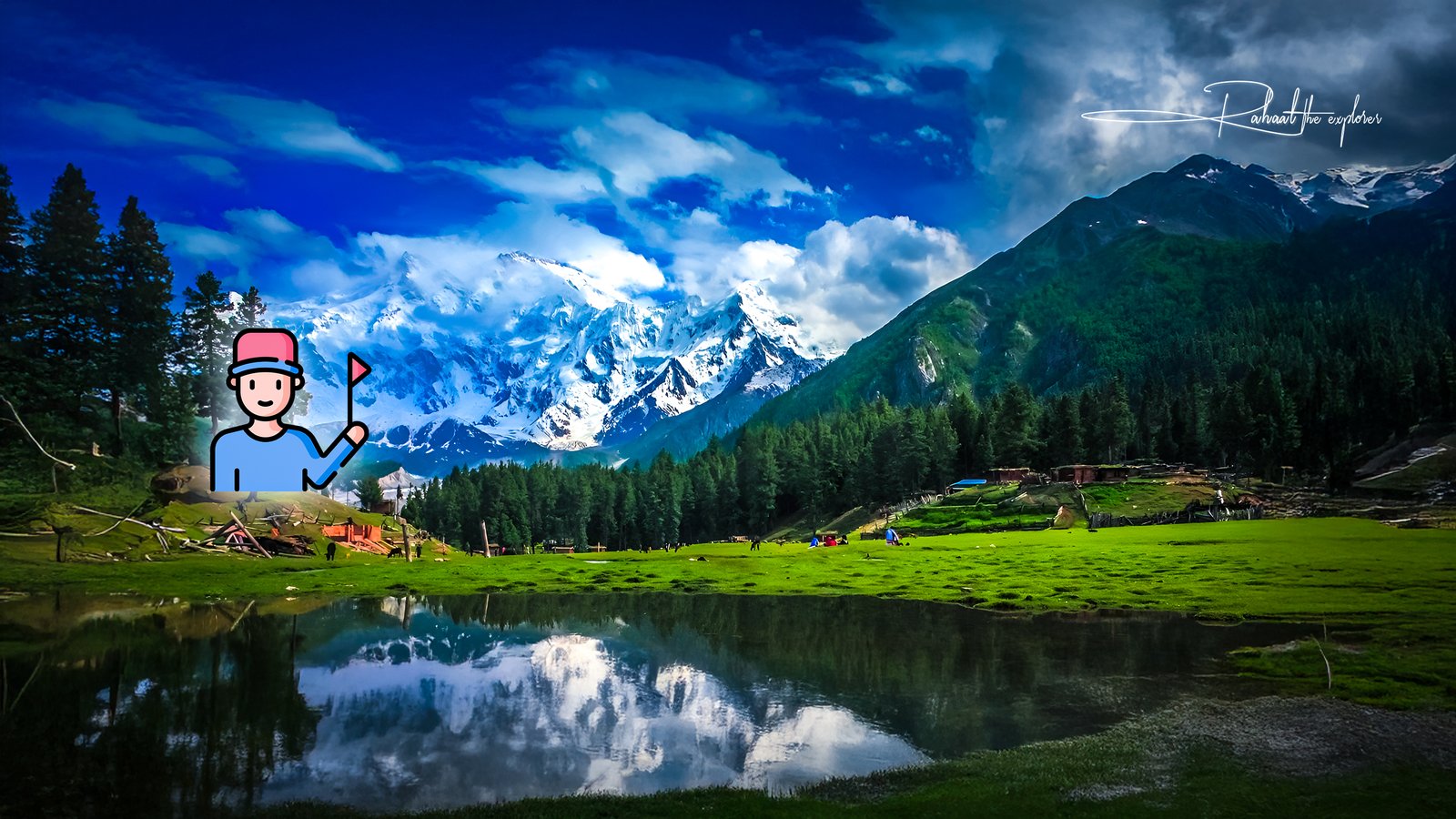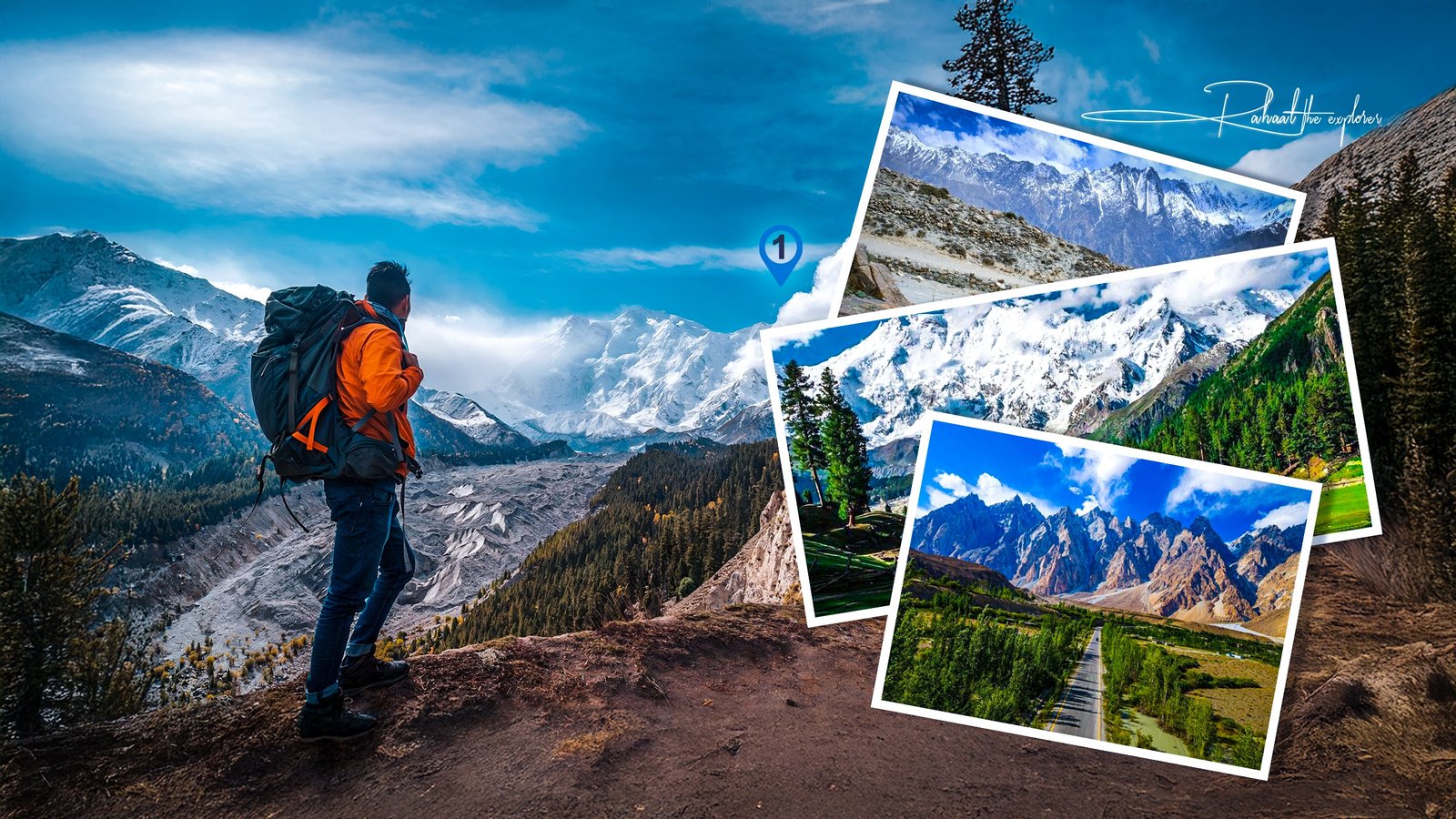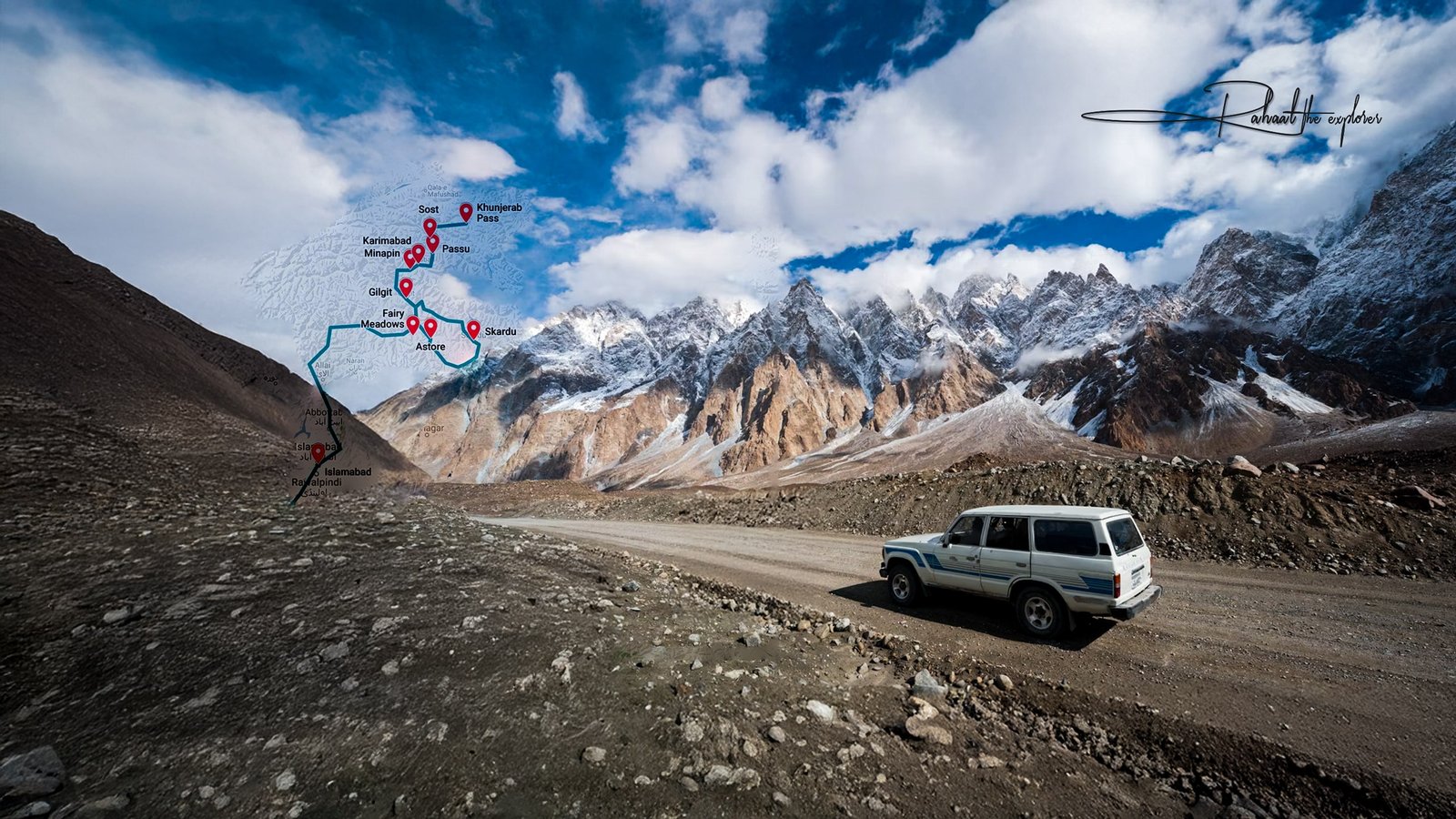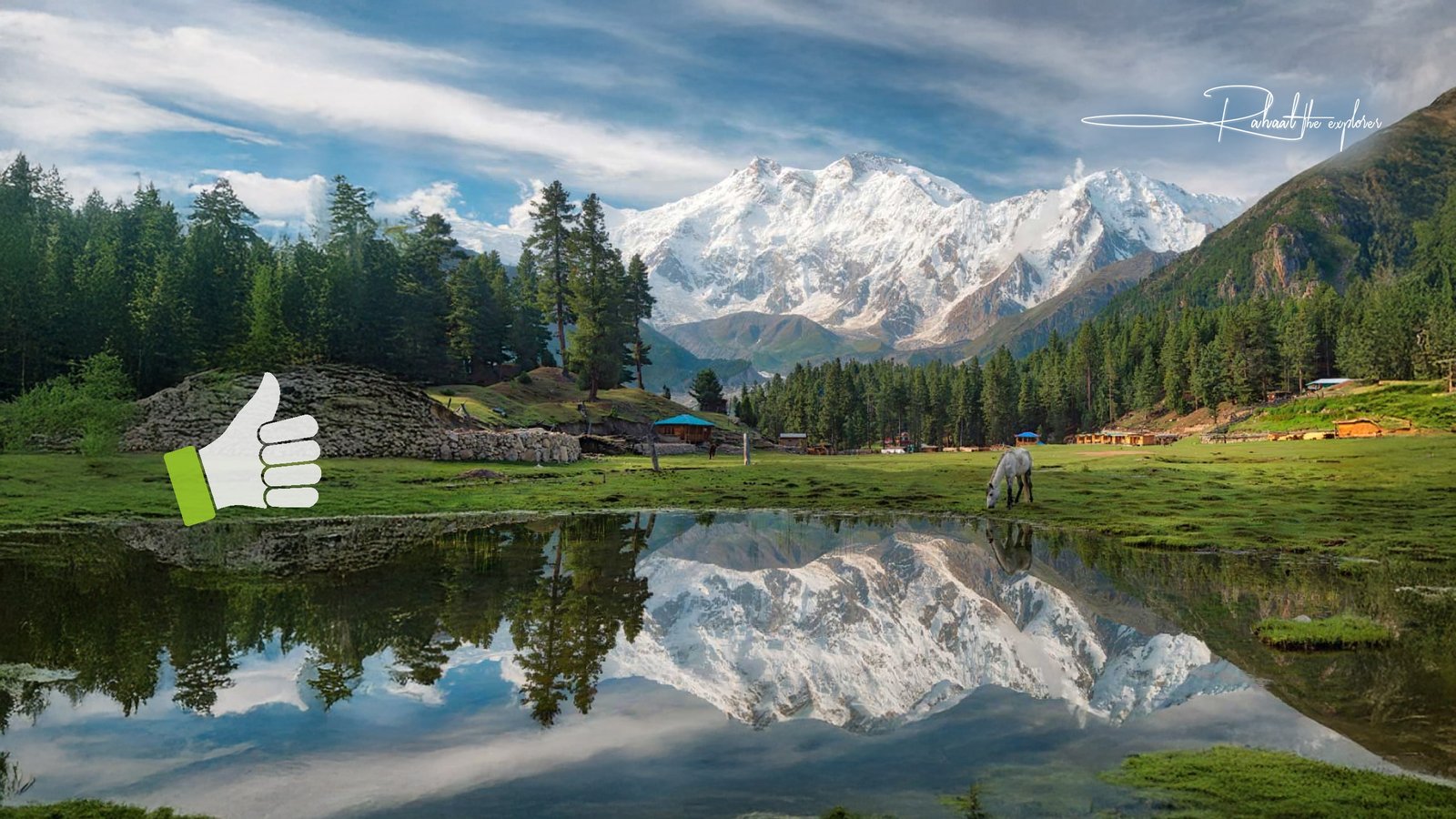
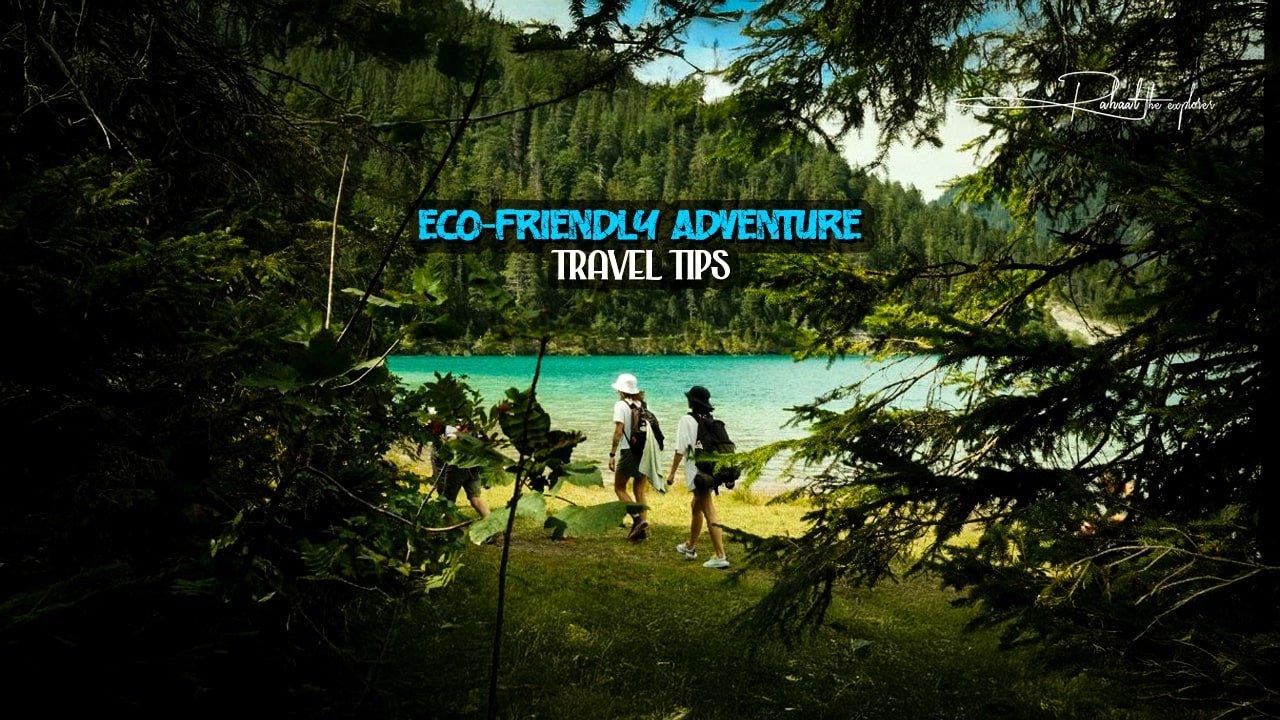

Pakistan is a land of unmatched natural beauty. From the mighty Karakoram Mountains to the lush green valleys of Kashmir, every corner of the country offers a unique experience to nature lovers and adventure travelers. However, with increasing tourism, environmental preservation has become more important than ever. Travelers now want to explore Pakistan responsibly and ensure that future generations can enjoy the same pristine landscapes.
This guide covers everything an adventure lover needs to know about sustainable travel Pakistan planning. Whether you are visiting for trekking, road trips, nature photography, or cultural exploration, conscious travel choices can make a big difference.
Eco-friendly tourism not only protects nature but also supports local communities, culture, and wildlife. Let’s explore how you can travel responsibly without compromising your adventure.
Why Eco-Friendly Travel Matters
As Pakistan experiences growth in domestic and international tourism, environmental pressures are rising:
- Plastic pollution in mountains and lakes
- Increase in carbon emissions due to vehicles
- Deforestation and wildlife disturbance in remote areas
- Over-tourism in popular regions like Hunza and Swat
Eco-conscious actions taken by one traveler may seem small, but collectively, they create massive positive change. Adventure should never come at the cost of nature. The principle of Leave No Trace is the foundation of responsible travel worldwide.
What Does Sustainable Adventure Travel Mean?
Adventure travelers often explore sensitive regions such as glaciers, high-altitude lakes, and protected forests. Sustainable travel means:
- Respecting nature and wildlife
- Reducing waste and pollution
- Supporting local businesses
- Saving natural resources
- Encouraging cultural preservation
A sustainable travel Pakistan experience ensures that tourism promotes conservation rather than harming nature.
Key Eco-Friendly Adventure Travel Tips
Below are practical and realistic eco-travel guidelines designed specifically for Pakistani landscapes and rural tourism.
1. Travel with Reusable Essentials
Bring items that reduce single-use waste:
- Reusable water bottle or filtration bottle
- Stainless steel food containers
- Reusable shopping bag
- Cloth napkins
- Bamboo or metal utensils
This eliminates the need for plastic bottles, cups, and packaging, especially in remote mountains where waste remains for years.
2. Avoid Littering at All Costs
Even small trash items pollute landscapes and harm wildlife. Always carry:
- A personal trash pouch
- Biodegradable waste bags
Whatever you bring with you must return with you. Even fruit peels can disturb the natural ecosystem in high-altitude regions.
3. Support Local Economy and Culture
Spend your money where it matters:
- Stay in locally owned guest houses
- Buy handicrafts from local artisans
- Eat at small food places instead of chains
- Hire local guides and porters
This creates income for local families and encourages them to preserve their natural environment.
4. Choose Eco-Friendly Transport Options
Transportation produces the largest share of tourism emissions.
Better alternatives include:
- Carpooling or group travel
- Preferring hybrid or fuel-efficient vehicles
- Using public transport like NATCO, Daewoo, coaster vans
- Walking and cycling for short adventures
For a sustainable travel Pakistan approach, even reducing one car on mountain roads makes a difference.
5. Choose Low-Impact Adventure Activities
While activities like motorbike rallies and powered sports are thrilling, they cause environmental noise and emissions.
More sustainable choices:
| Low-Impact Adventures | Environmental Benefit |
|---|---|
| Trekking & hiking | Zero emissions |
| Nature photography | Wildlife awareness |
| Snowshoeing & skiing | Low environmental footprint |
| Kayaking | Clean water engagement |
Connecting with nature does not require harming it.
6. Travel in Off-Peak Seasons
Crowded tourism puts pressure on nature. Off-peak tours:
- Reduce environmental load
- Provide a peaceful travel experience
- Offer more interaction with local residents
Example: Visit Hunza in winter or early spring instead of July.
7. Respect Wildlife and Nature
Animals should be observed from a distance. Avoid:
- Feeding wildlife
- Loud sounds near animals
- Picking flowers or plants
- Going off designated trails
Wildlife flourishes when left undisturbed.
8. Choose Eco-Conscious Accommodation
Look for places offering sustainable practices such as:
- Solar-powered heating
- Organic food sourcing
- Waste recycling systems
- Minimum plastic usage
Supporting such initiatives motivates more businesses to adopt environment-friendly models.
9. Reduce Water and Energy Consumption
Even in luxury hotels, water scarcity is real in mountain regions.
Simple habits:
- Shorter showers
- Reusing towels
- Turning off unnecessary lights
- Using natural ventilation instead of heaters when possible
Saving resources = saving ecosystems.
10. Do Not Harm Historical and Cultural Sites
Graffiti, vandalism, and careless behavior ruin heritage for future explorers.
Always:
- Learn and respect local traditions
- Seek permission before photographing people
- Dress modestly in rural areas
- Avoid loud music in sacred places
Adventure should go hand in hand with cultural dignity.
Sustainable Travel in Pakistan’s Famous Adventure Destinations
Below are top adventure regions and how you can explore them responsibly.
Gilgit-Baltistan
Home to major peaks including K2 and Nanga Parbat. Practices:
- Stay in community-run lodges
- Shop local dry fruits and handicrafts
- Avoid camping in restricted conservation areas
Swat Valley
Rich in forests and heritage.
Eco actions:
- Follow jeep tracks; avoid off-road damage
- Support local craftsmen (woodwork, shawls)
- Promote reforestation drives
Azad Kashmir
Green valleys with high rainfall.
Better choices:
- Stick to marked trekking paths
- Avoid detergents in rivers or lakes
- Carry biodegradable hygiene products
Balochistan
Unique desert and coastal adventures.
Guidelines:
- Do not disturb turtles and coastal wildlife
- Support eco-based fishing communities
Cholistan and Thar
Culturally rich desert tourism.
Key tips:
- Respect indigenous communities’ lifestyle
- Avoid plastic waste in desert winds
Environmental Impact of Tourist Behavior
Every decision counts. The table below explains:
| Travel Behavior | Impact |
|---|---|
| Using plastic bottles | Long-term pollution |
| Hiring local guides | Supports livelihoods |
| Staying on trail | Soil & habitat protection |
| Buying imported products | Less benefit to community |
| Carpooling | Lower carbon footprint |
Positive actions add up to transformational results.
How Tour Operators Can Contribute
Many tourism companies in Pakistan are shifting toward environment-friendly models. They can:
- Provide eco-awareness sessions
- Offer group travel packages
- Adopt sustainable waste disposal
- Contribute to conservation projects
- Ensure fair wages for local community workers
As a traveler, you can choose operators who align with sustainable travel Pakistan values.
Packing Checklist for Sustainable Adventure Travel
Here’s what to pack for a greener journey:
| Category | Items |
|---|---|
| Reusables | Water bottle, cutlery set, cup |
| Clothing | Thermal layers, durable outdoor wear |
| Toiletries | Eco-soaps, biodegradable wipes |
| Accessories | Solar power bank, waste pouch |
Investing in reusable gear reduces long-term environmental impact.
The Role of Digital Awareness in Eco Travel
Sharing your eco journey online inspires others to travel responsibly:
- Promote sustainable destinations
- Educate followers about waste reduction
- Highlight local businesses
- Avoid showcasing wasteful behavior
Social media can be a tool for promoting conservation-based tourism.
FAQs About Sustainable Travel in Pakistan
Q1: Is eco-friendly travel more expensive?
Not necessarily. Saving resources and choosing simpler accommodations often reduces costs.
Q2: What is the main focus of sustainable travel Pakistan efforts?
Preserving nature, culture, and local livelihoods through responsible tourism choices.
Q3: Can beginners easily adopt eco-friendly travel practices?
Yes. Small actions like avoiding plastic and supporting locals make a big impact.
Q4: Is camping allowed everywhere in mountains?
No. Always follow rules of national parks and restricted areas to avoid damaging nature.
Q5: How can I motivate others to travel sustainably?
Lead by example. Share positive experiences and highlight green options.
Final Thoughts
Pakistan’s natural beauty is one of its greatest treasures. If we want future travelers to enjoy the same breathtaking mountains, rivers, and forests, responsible travel is the only way forward. Sustainable tourism is not just a trend; it is a commitment to protect the environment while experiencing the thrill of adventure.
By following the tips in this guide, you contribute to a future where sustainable travel Pakistan becomes the standard for every explorer. Eco-friendly adventure is enjoyable, inspiring, and rewarding. Let every journey leave a positive impact on Pakistan’s landscapes and communities.