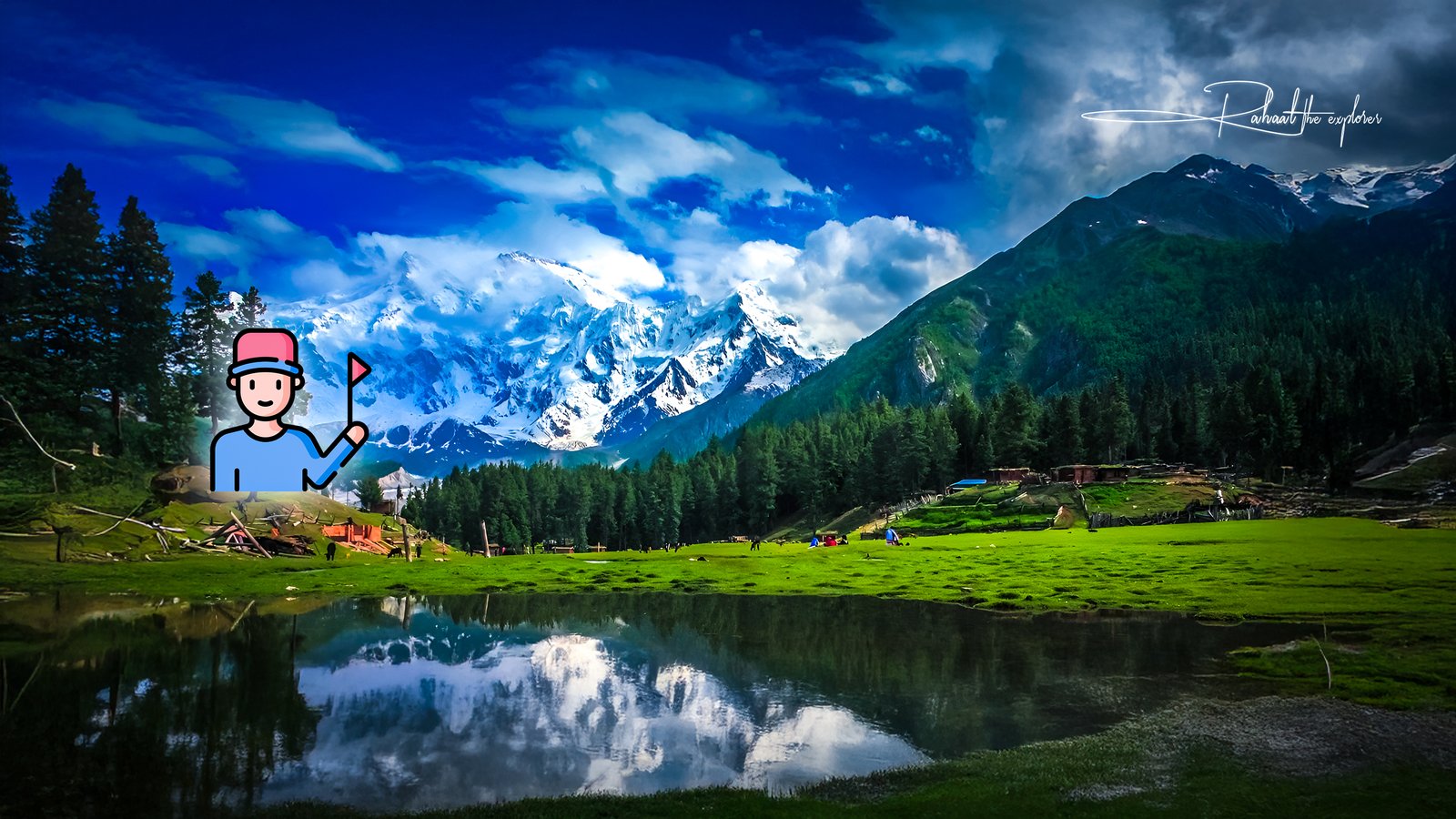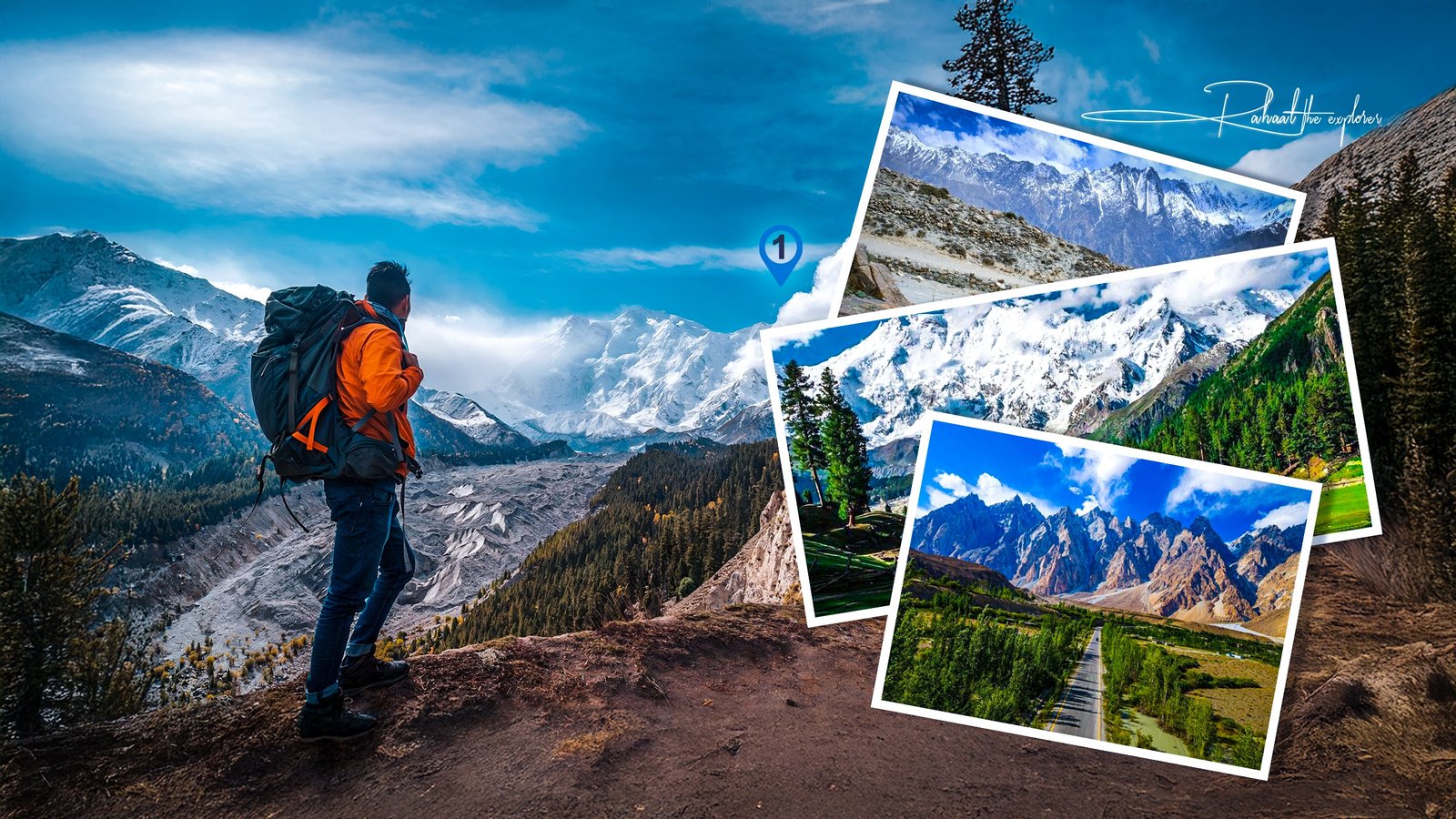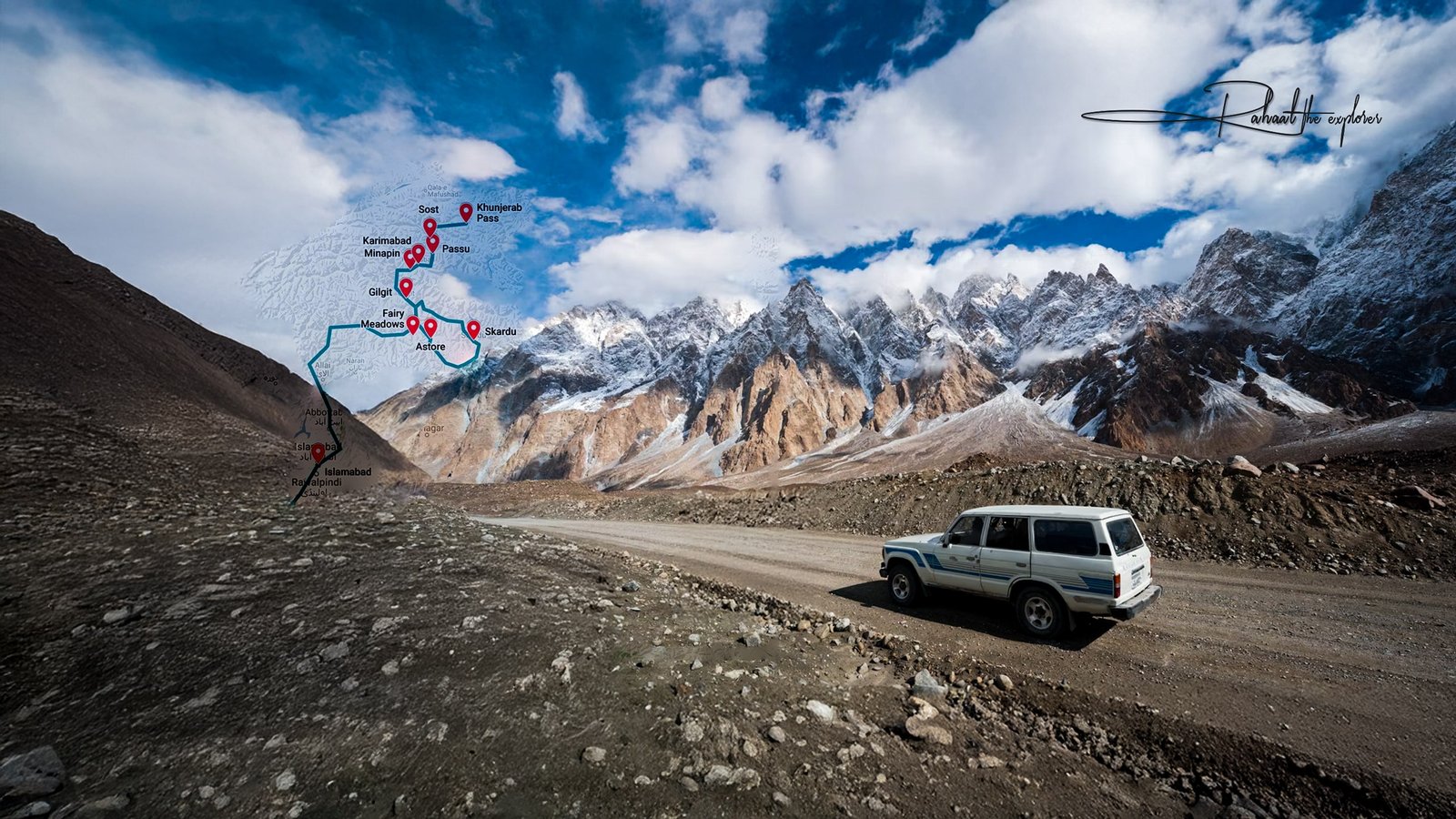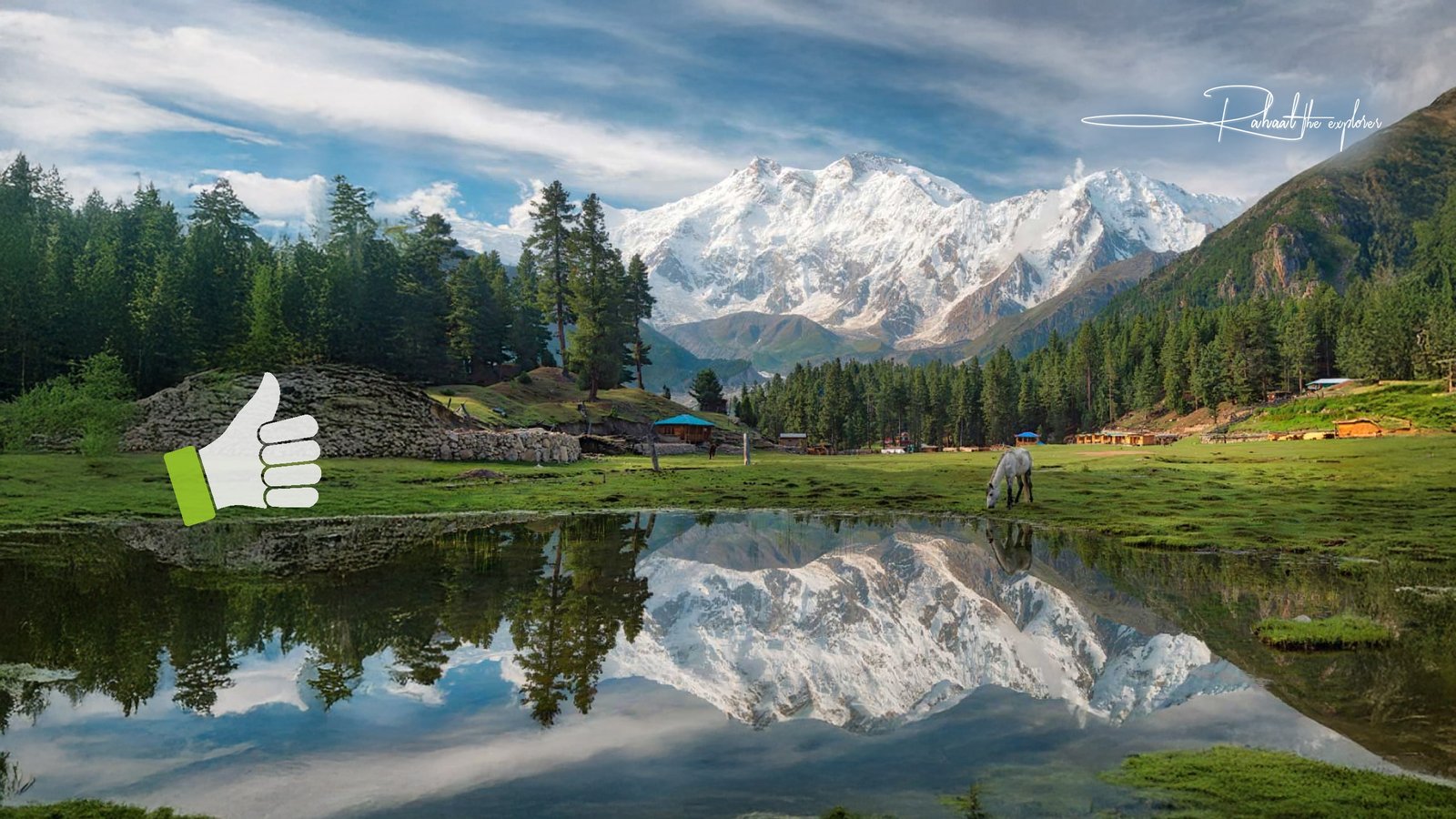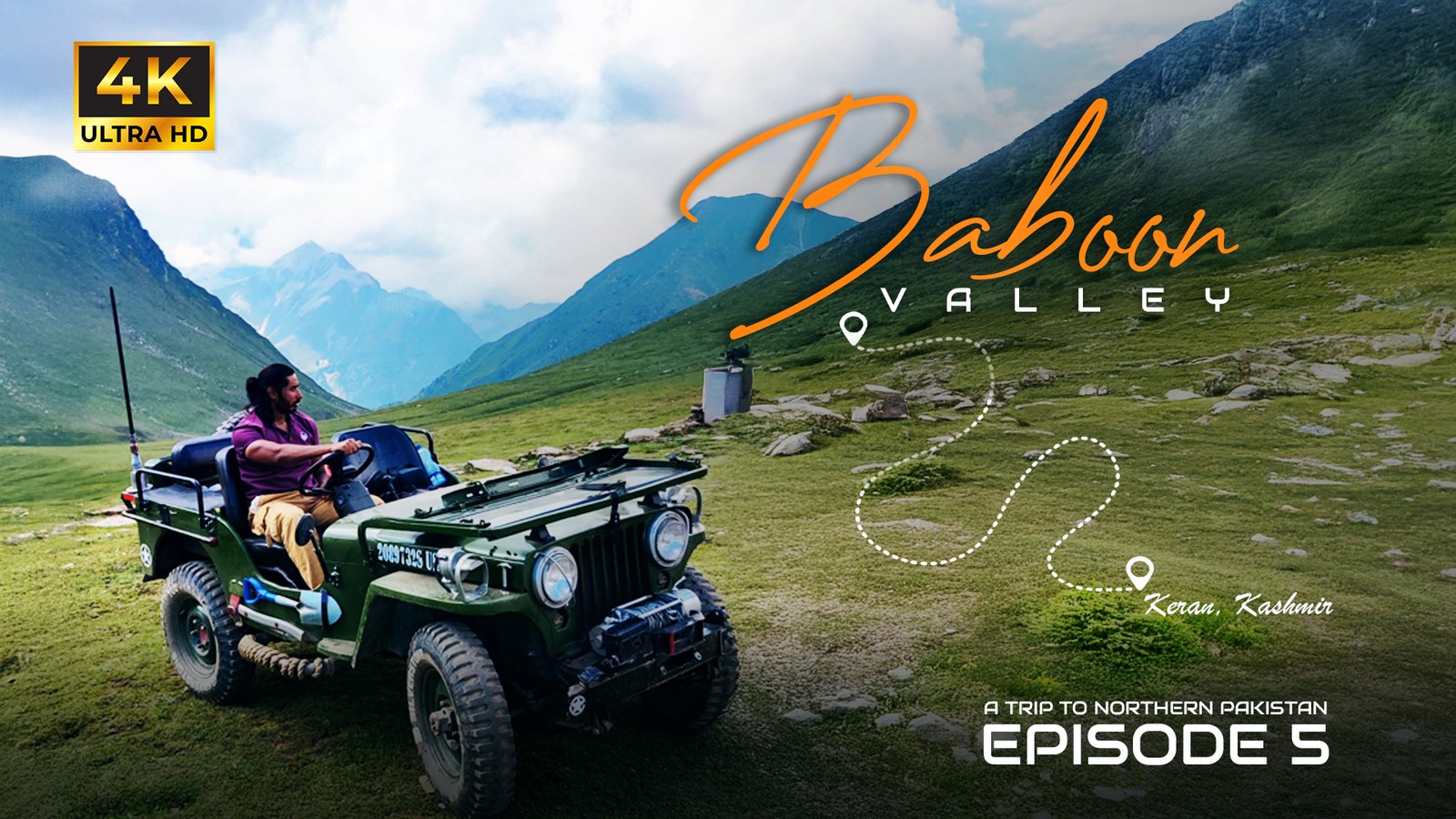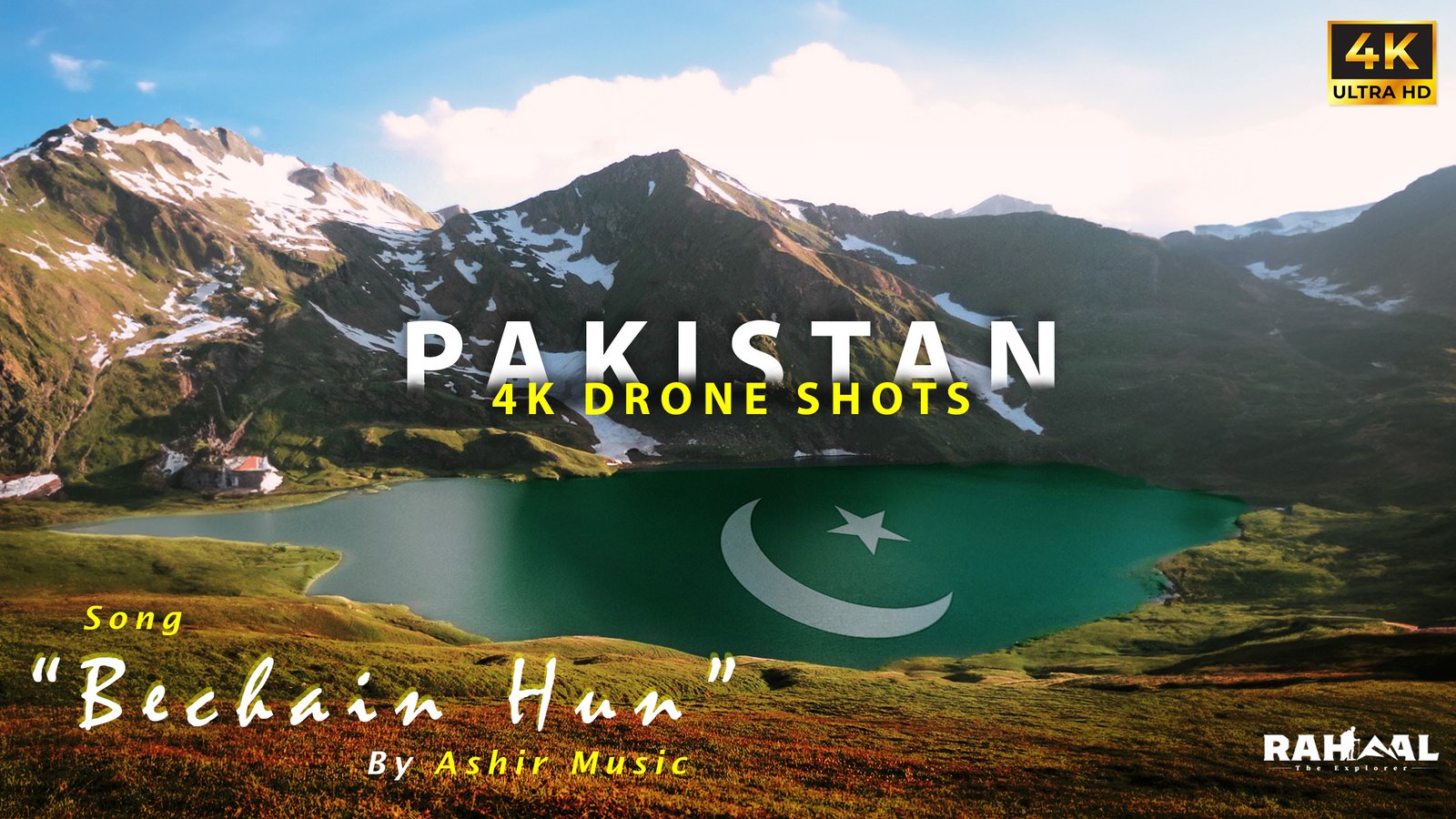
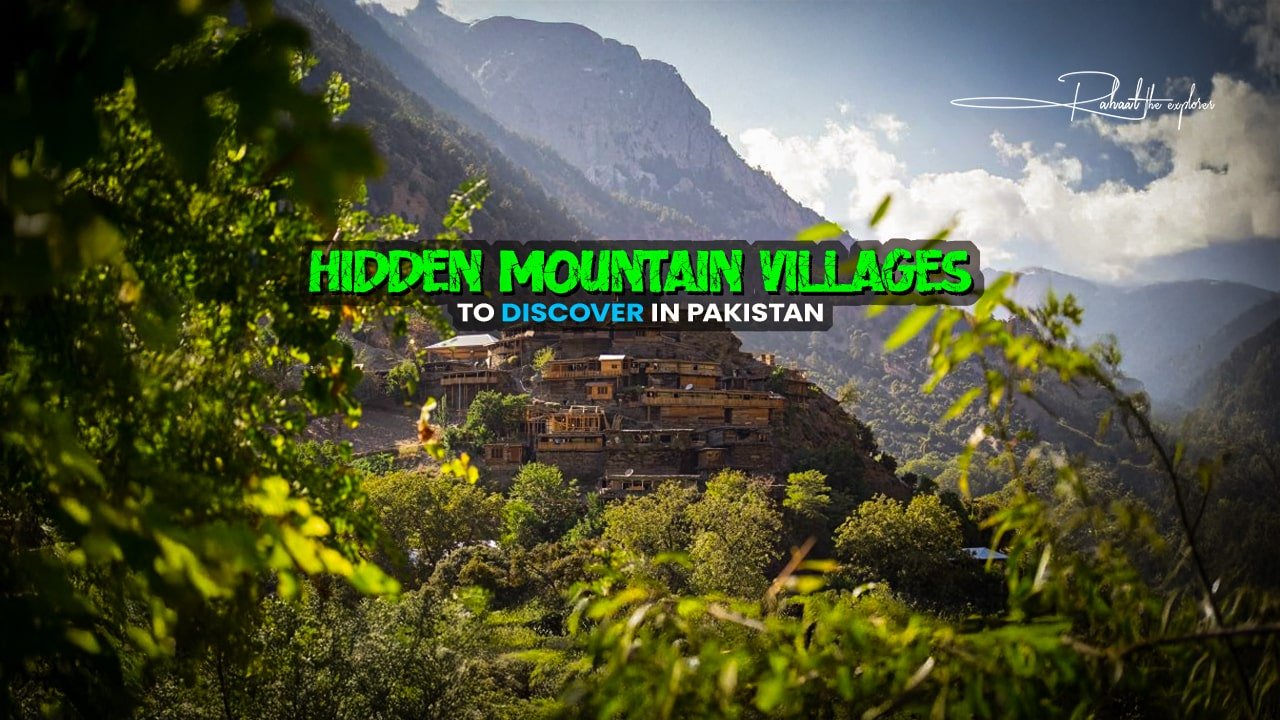

Pakistan’s northern regions are known for their rugged mountains, pristine valleys, and welcoming culture. Yet, beyond the famous destinations like Hunza, Skardu, and Naran, there are countless hidden gems waiting to be explored. Among them are the hidden villages Pakistan is home to—remote settlements nestled deep in the mountains where nature and cultural heritage remain untouched by modern tourism.
These villages offer breathtaking landscapes, ancient traditions, and once-in-a-lifetime travel experiences. For adventurers searching for authenticity, tranquility, and discovery, visiting the hidden villages Pakistan proudly preserves is a must.
In this guide, we will introduce some of the most incredible hidden mountain villages you should add to your travel list, along with tips on how to plan your visit safely and responsibly.
Why Explore Hidden Mountain Villages?
Visiting lesser-known destinations brings new dimensions to travel:
1. Authentic Cultural Experience
Here, life follows ancient rhythms. Locals grow their own food, speak regional dialects, and practice centuries-old customs. Travelers can witness traditions untouched by commercialization.
2. Unspoiled Nature
Surrounded by towering peaks, green meadows, and pure water streams, these villages offer a peaceful escape from crowded tourist spots.
3. Support Local Communities
Tourism in remote areas helps communities grow economically without forcing them to lose their cultural identity.
4. Adventure and Discovery
Many hidden villages require hiking, long jeep rides, or trekking—ideal for travelers seeking something extraordinary.
Top Hidden Mountain Villages in Pakistan
1. Arang Kel – Azad Kashmir
Perched high above the village of Kel in Neelum Valley, Arang Kel is known as the “Pearl of Neelum.” Reaching the village requires a steep hike through dense forests, but the reward is spectacular views of lush meadows, snow-covered peaks, and dramatic cliffs.
Highlights:
- Wooden homes built in traditional Kashmiri architecture
- Riding cable cart over the Neelum River
- Fresh fruits and local hospitality
2. Shimshal – Upper Hunza, Gilgit Baltistan
Known as “The Valley of Mountaineers,” Shimshal is one of the most secluded villages in Pakistan. Reaching Shimshal requires a thrilling jeep ride through narrow rocky terrain.
Highlights:
- Birthplace of many K2 and Everest climbers
- Beautiful Shimshal Pass and lakes
- Strong cultural traditions of the Wakhi people
3. Ghulkin Village – Gojal Hunza
Located near Passu Cones, Ghulkin is surrounded by glaciers and fertile orchards. Snow-leopards are also spotted in the surrounding mountains.
Highlights:
- Organic local food and apricot dry houses
- Trekking access to Ghulkin Glacier
- Peaceful traditional village life
4. Phander – Ghizer Valley
Phander Village looks like it belongs on a postcard. Crystal-clear lakes and river streams reflect the towering mountains.
Highlights:
- Phander Lake, famous for fishing
- Friendly locals and vibrant culture
- Amazing camping and photography spots
5. Minapin Village – Nagar Valley
Gateway to Rakaposhi Base Camp, Minapin is a dream spot for trekkers.
Highlights:
- Close-up views of Rakaposhi Glacier
- Delicious local cherries and mulberries
- Easy access to trekking routes
6. Laspur Valley – Chitral
This valley is home to several small villages including Harchin and Raman. It is the last settlement before Shandur, the roof of the world.
Highlights:
- Polo festivals on Shandur Pass
- Clear starry nights and silent landscapes
- Traditional wooden homes
7. Khaplu Ghanche – Baltistan
A mix of Tibetan-style architecture and alpine beauty. Khaplu Fort and local Buddhist heritage make the area historically rich.
Highlights:
- Soaring Masherbrum Peak views
- Riverfront scenery for peaceful stays
- Traditional weaving and cultural food
What Makes These Villages Unique?
Pakistan’s mountain settlements are more than tourism hotspots; they are living museums of heritage. The hidden villages Pakistan guards deep within its valleys showcase:
- Original tribal cultures
- Home-grown food and ancient farming techniques
- Festivals celebrating nature, agriculture, and faith
- Languages and folklore rarely heard elsewhere
Each village has its own charm, whether it is Hunza’s musical nights, Baltistan’s apricot feasts, or Astore’s pastoral lifestyle.
How to Travel Responsibly in Remote Villages
To keep these priceless places preserved, travelers must follow sustainable practices.
Respect Local Culture
- Ask before photographing people
- Dress modestly
- Wash hands before joining meals as a sign of respect
Protect the Environment
- Carry reusable bottles
- Leave no trash behind
- Stay on marked trails to protect vegetation
Support Local Businesses
- Stay in homestays instead of big hotels
- Buy local handicrafts
- Prefer local guides
Travel with Patience
Transport can be slow due to weather and rough terrain—see this as part of the adventure.
Best Time to Visit Hidden Mountain Villages
| Season | Best Months | Experience |
|---|---|---|
| Spring | April – June | Blossoms, pleasant temperatures |
| Summer | July – September | Best trekking and camping conditions |
| Autumn | October – November | Golden landscapes, fewer tourists |
| Winter | December – March | Harsh weather, only for experienced travelers |
Summer remains the most popular and safe time for general travelers.
Packing Checklist for Mountain Village Travel
- Sturdy hiking shoes
- Warm clothing (layers recommended)
- First-aid kit and basic medicines
- Power bank and backup batteries
- Dried snacks and energy foods
- Personal water bottle and purification tablets
- Trekking poles (recommended for steep areas)
Weather can change rapidly, so always be prepared for cold even in summer.
Safety Tips for Remote Travel
- Always inform someone about your route
- Hire local guides when trails are unclear
- Acclimatize if traveling above 3000m elevation
- Keep your phone charged before long journeys
- Carry cash, as ATMs are rarely available
Mobile coverage may be limited, especially in deep valleys.
Food and Hospitality
One of the most memorable parts of visiting the hidden villages Pakistan offers is its incredible hospitality. Traditional meals depend on what is locally grown:
- Chapshuro and Mamtu in Gilgit-Baltistan
- Trout fish in Upper Hunza and Ghizer
- Local dairy products like fresh butter and yogurt
Locals often invite guests into their homes for meals—accepting is a sign of respect.
The Future of Hidden Mountain Villages
As tourism grows, these villages may develop further. Responsible travelers can help ensure that development does not harm nature or culture.
Community-led tourism projects are increasing, which means:
- More eco-lodges
- Guiding jobs for youth
- Investment in schooling and healthcare
Travelers contribute to preserving cultural identity instead of replacing it.
FAQs About Hidden Villages in Pakistan
Q1. Are these villages safe to visit?
Yes, people are welcoming and crime rates are low in northern villages. Travel with basic precautions like anywhere else.
Q2. Do I need a guide?
Not always, but for trekking routes or restricted areas, a local guide is highly recommended.
Q3. How do I reach these remote places?
Mostly through jeeps, buses, or hiking. Some require crossing rivers or mountain trails.
Q4. Can I stay overnight?
Yes. Homestays and small guesthouses provide simple and cozy lodging.
Q5. What is the best hidden village for beginners?
Arang Kel and Phander are great choices for first-time explorers.
Final Thoughts
Exploring the hidden villages Pakistan shelters within its majestic mountains is more than travel. It is an education in simplicity, culture, and survival. These destinations offer serenity, nature, and genuine human connection—everything modern tourism struggles to provide.
If you seek adventure beyond ordinary sightseeing, these remote mountain villages are calling. Pack your bag, step off the beaten path, and let Pakistan’s untouched world amaze you.