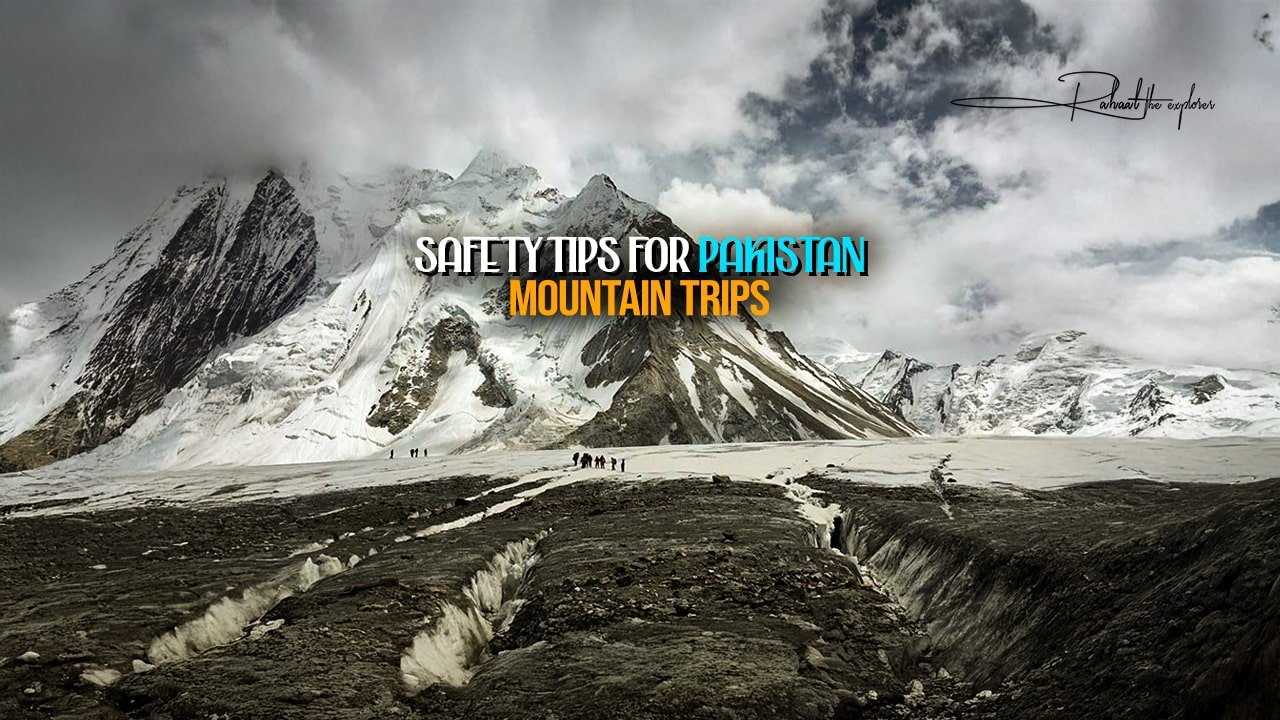

Pakistan’s spectacular mountains are among the most beautiful in the world. From the legendary peaks of the Karakoram to the lush valleys of the Himalayas and Hindukush, these regions offer breathtaking road trips, trekking adventures, and unforgettable cultural encounters. However, these landscapes demand careful planning and precaution. When traveling through Pakistan’s mountain regions, safety must always come first.
This comprehensive guide covers essential travel safety Pakistan strategies for visitors planning mountain trips, whether you are a local explorer, an adventure enthusiast, or an international tourist seeking natural wonders.
Why Mountain Travel in Pakistan Requires Extra Safety Measures
Mountain environments are unpredictable due to:
- Unstable weather that can change within minutes
- Narrow and winding roads with sharp turns
- High-altitude risks affecting breathing and stamina
- Limited communication signals in remote regions
- Wildlife and terrain challenges
- Long distances between towns or emergency help
A well-planned safety approach ensures a smooth and stress-free mountain trip.
Best Mountain Destinations in Pakistan
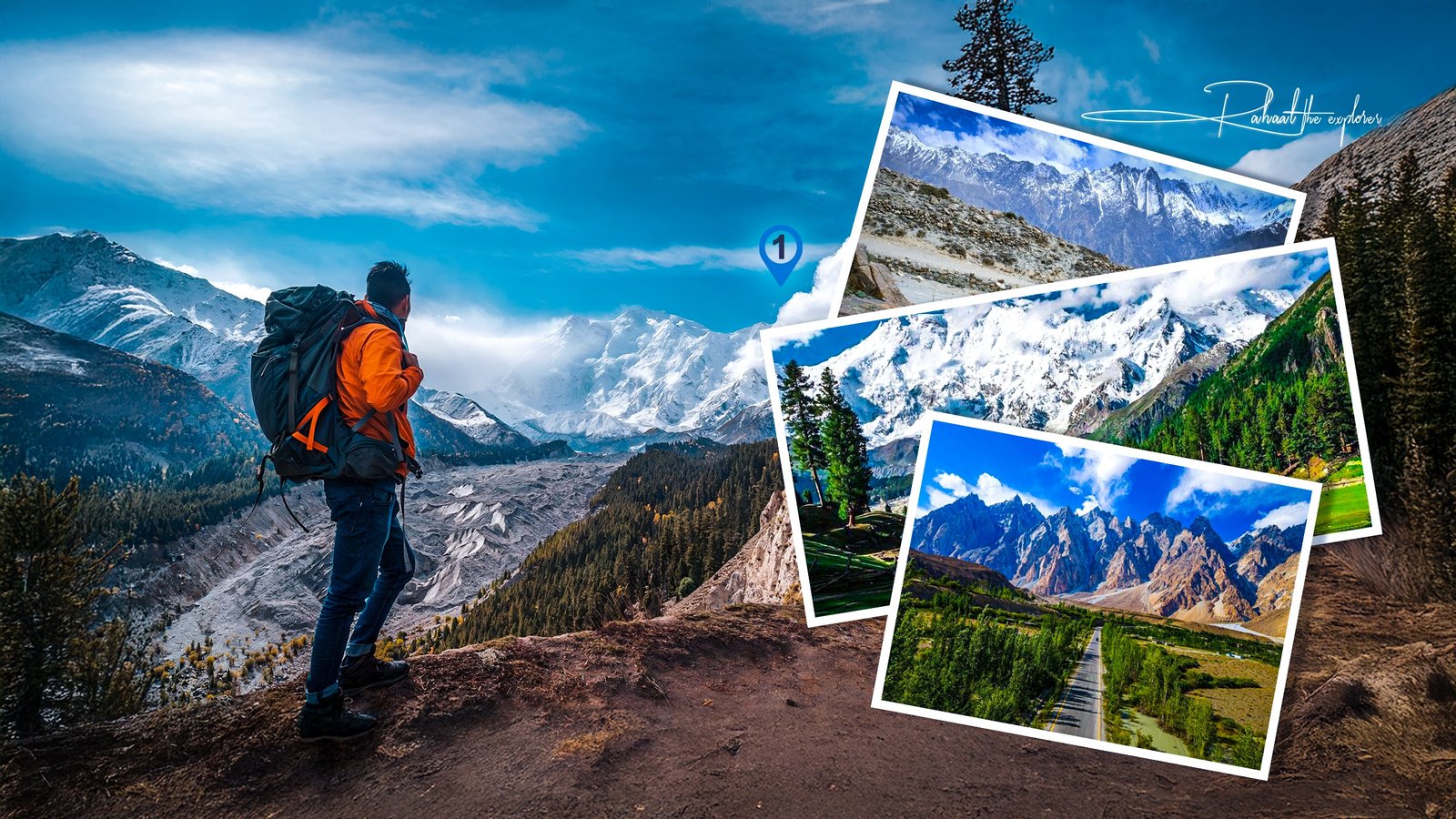
Some of the most popular and stunning mountain destinations include:
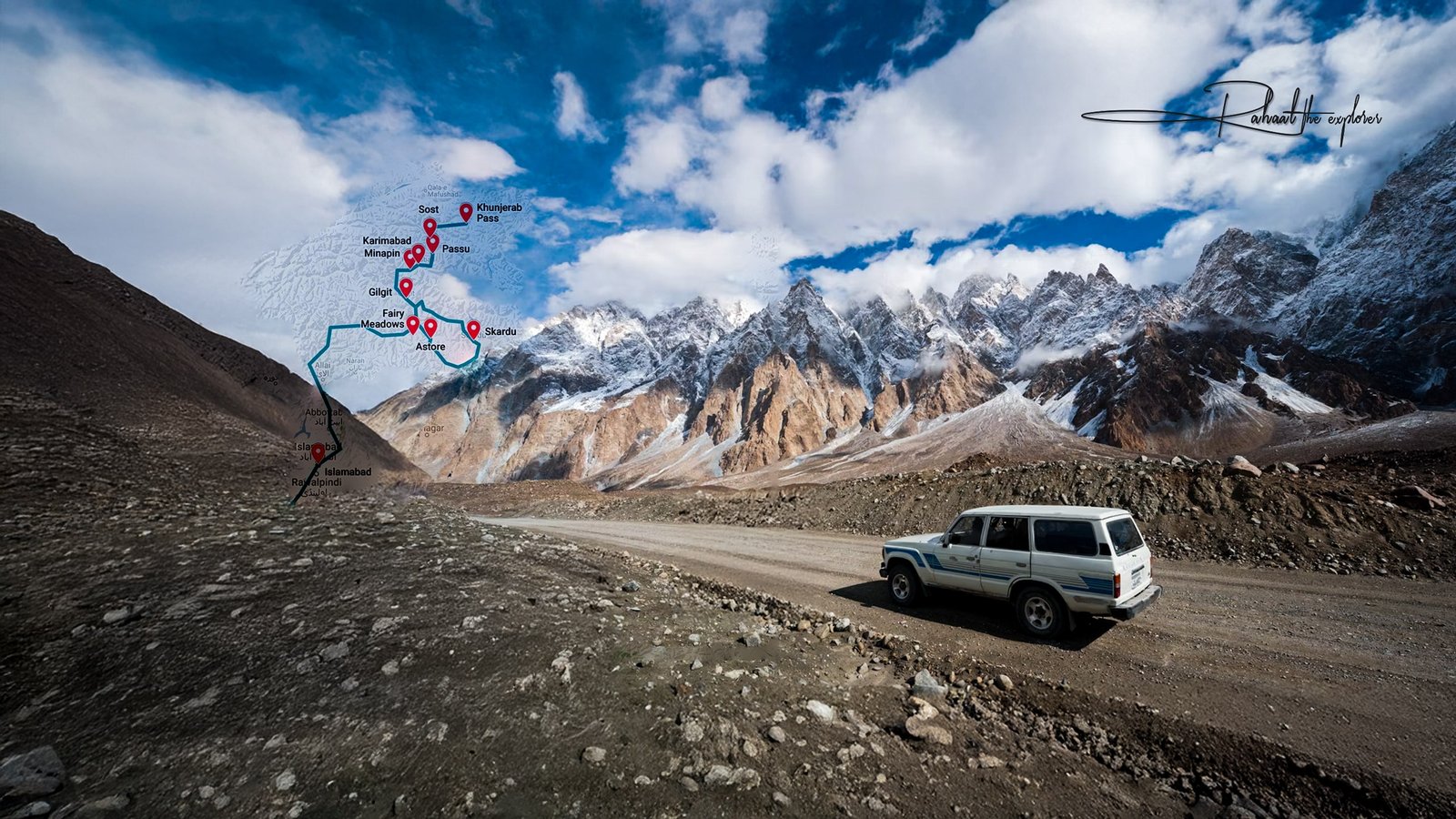
- Hunza Valley (Attabad Lake, Passu Cones, Khunjerab Pass)
- Skardu (Deosai Plains, Shangrila, Shigar Valley)
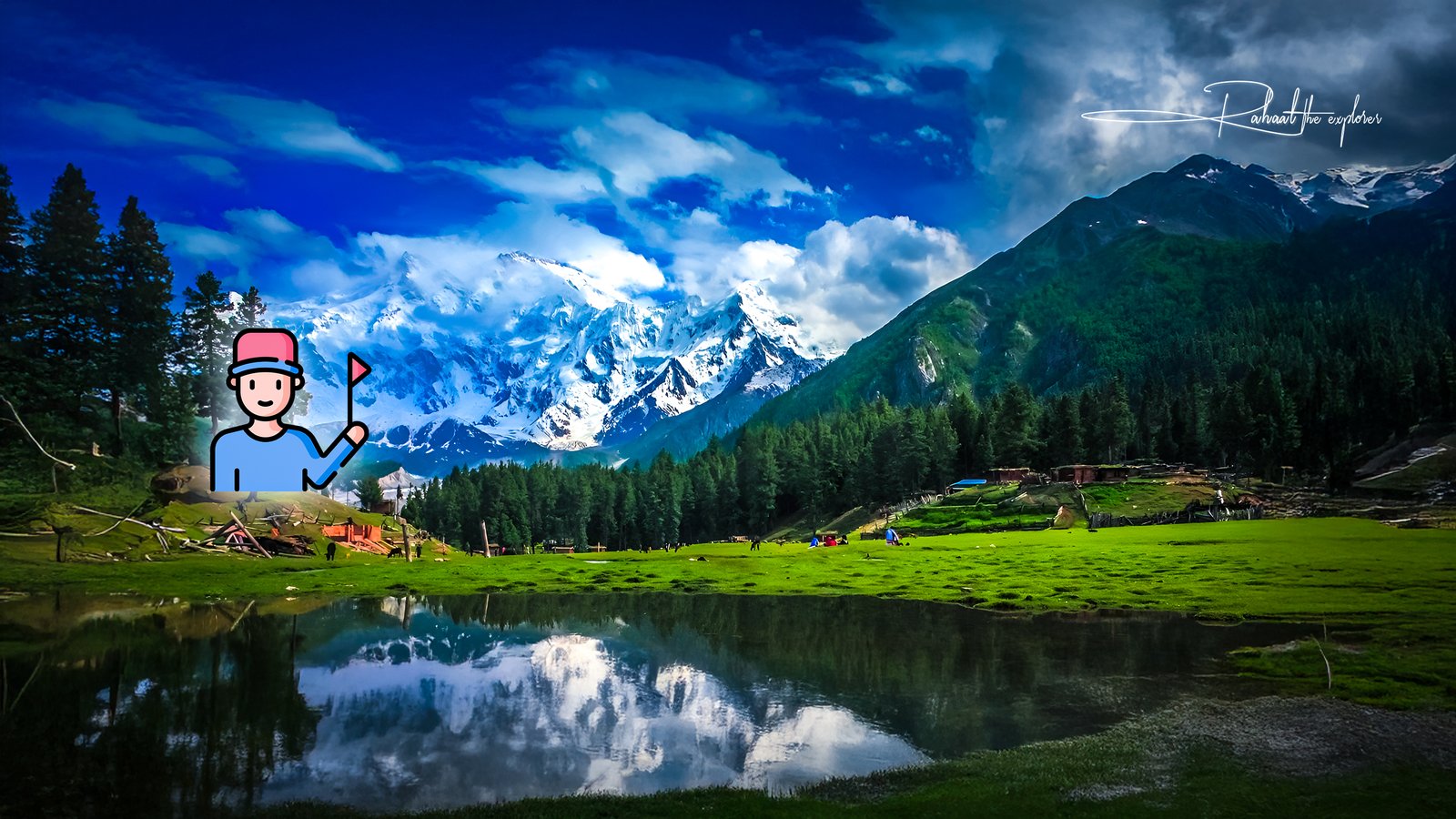
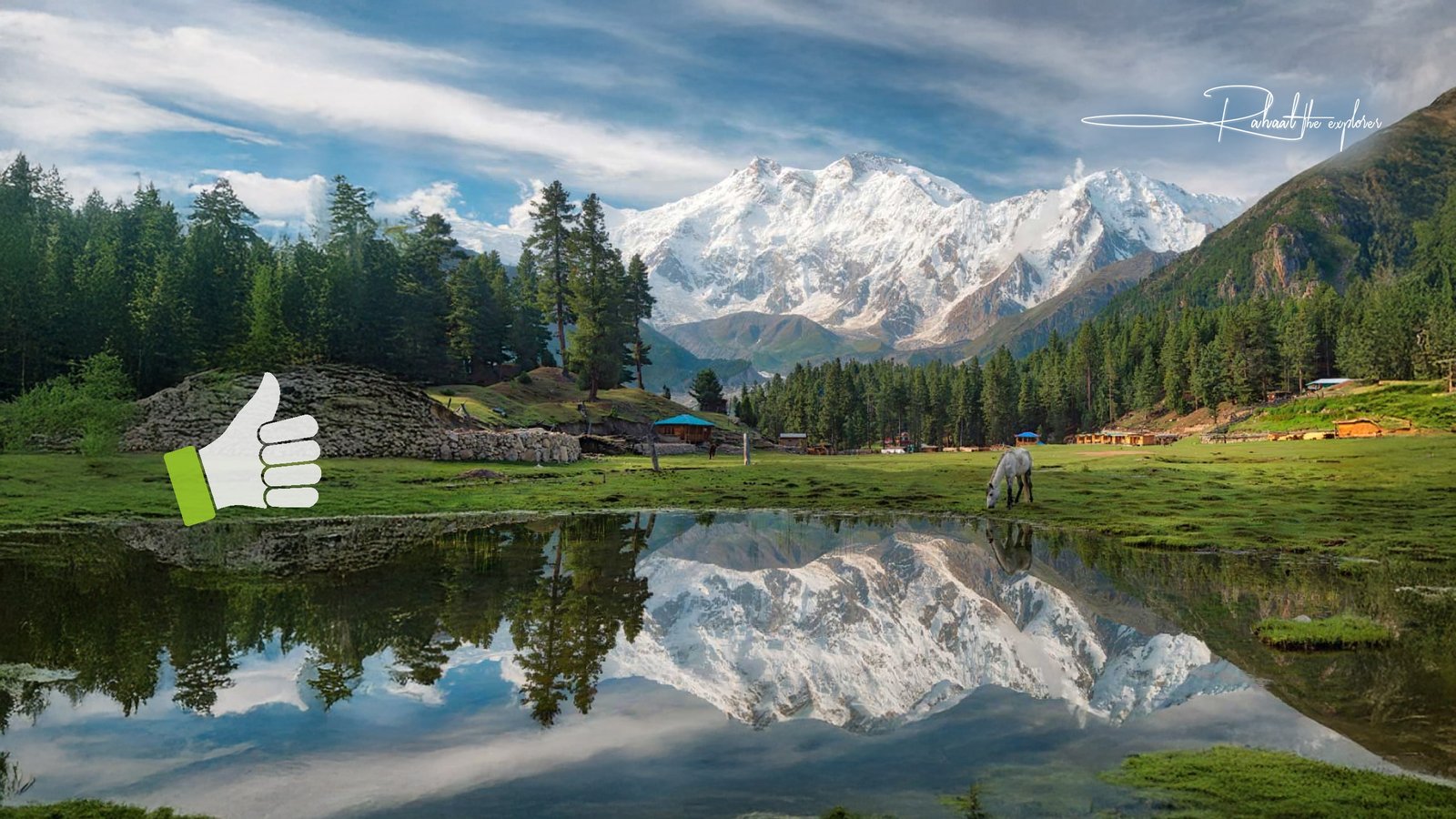
- Fairy Meadows and Nanga Parbat Base Camp
- Swat Valley, Malam Jabba, Kalam
- Kumrat Valley and Jahaz Banda
- Chitral and Kalash Valleys
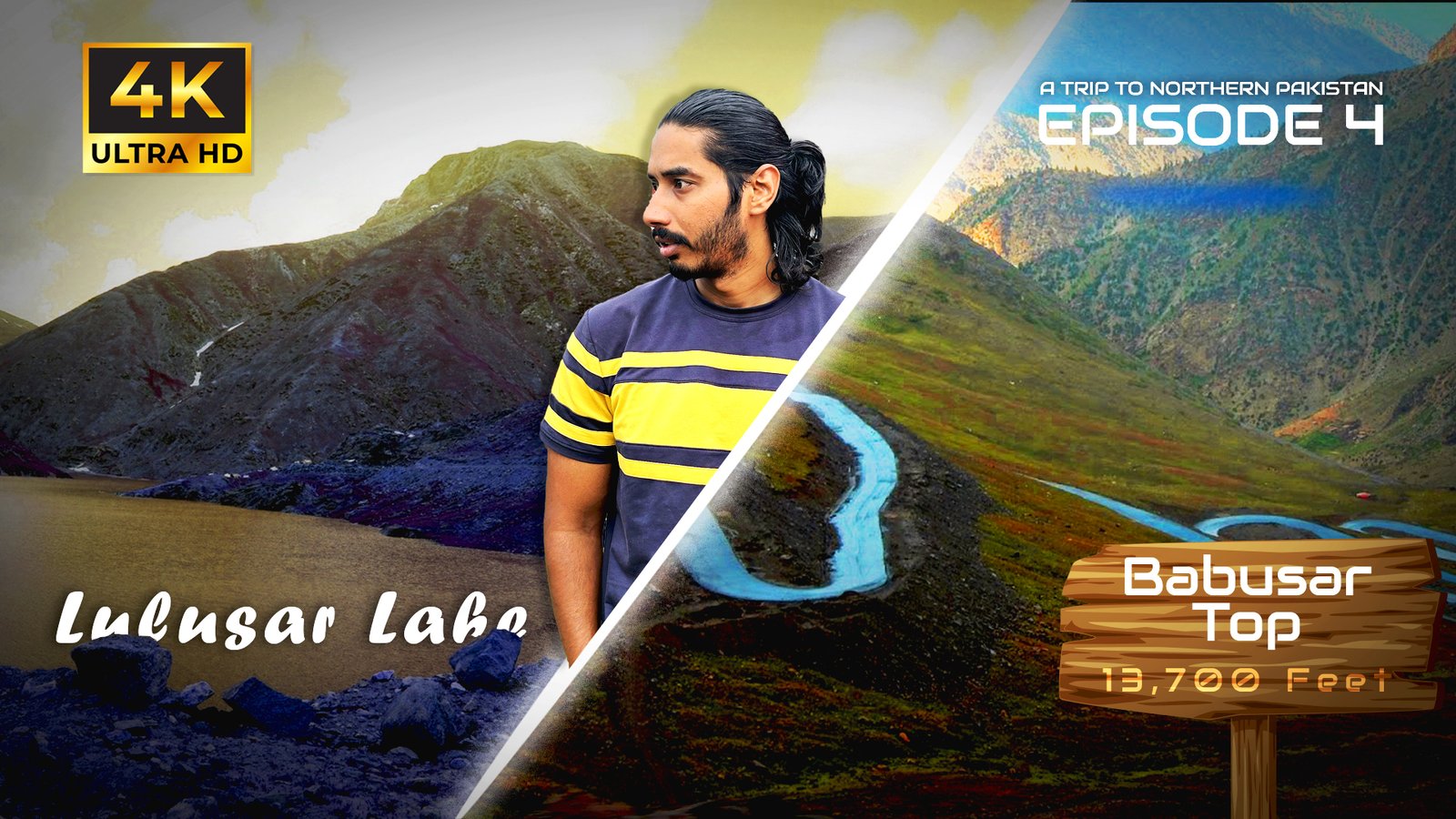
- Naran Kaghan (Saif-ul-Malook Lake, Babusar Top)
These areas attract hundreds of thousands of travelers every year. Their beauty is unmatched, but so are the safety challenges that come with the journey.
Pre-Trip Research and Planning
Travel safety Pakistan begins before the journey starts.
1. Study the Route
- Understand travel times between towns
- Note steep inclines and high-altitude passes
- Check road quality and landslide-prone zones
Local advice is extremely valuable, so ask residents or tourism guides for updates.
2. Check Weather Forecast
Mountain weather can shift dramatically:
- Heavy rainfall may cause landslides
- Winter snowfall may block roads for days
- Strong winds can make driving dangerous
Spring and autumn are generally more stable.
3. Permits and Travel Restrictions
Some areas require permits, especially near borders. Carry:
- CNIC or Passport
- Vehicle documents
- Any local entry permits required
Failing to plan for permits can delay your trip significantly.
Health and Altitude Safety Tips
Altitude sickness is a real concern in mountain regions of Pakistan. Areas above 2,500 meters require caution.
Symptoms include:
- Headache
- Shortness of breath
- Nausea
- Fatigue
- Dizziness
Safety Measures:
- Acclimatize gradually
- Stay hydrated
- Avoid overexertion on the first day
- Keep warm layers available
- Descend immediately if symptoms worsen
Certain high routes like Babusar Top, Khunjerab Pass, and Deosai require extra care.
Road Travel Safety in Mountainous Areas
Many travelers reach mountain destinations by road, so travel safety Pakistan guidelines for driving are crucial.
Key Safety Tips:
- Maintain slow and controlled driving on curves
- Avoid overtaking on blind turns
- Do not travel late at night in mountains
- Use low gears while driving downhill
- Keep headlights on in fog or rain
- Stay aware of falling rocks in landslide-prone areas
Always follow safety instructions from local authorities or road workers if repair work is ongoing.
Vehicle Preparations Before the Trip
Never begin a mountain journey without a full vehicle inspection.
Essential Checks:
- Tyres and spare tyre condition
- Brakes and brake fluid
- Engine coolant for temperature control
- Headlights, indicators, fog lights
- Fuel level and availability along the route
SUVs or well-maintained off-road vehicles are recommended for rugged areas like Deosai, Upper Chitral, or Astore.
Packing Safety Essentials
Carrying the right equipment significantly improves emergency preparedness.
Personal Gear:
- Warm clothing and rain jackets
- Sturdy hiking boots
- Gloves and thermal wear
- Reusable water bottle
Emergency and Safety Items:
- First aid kit with altitude medication
- Flashlight with spare batteries
- Power bank and backup phone
- Emergency whistle
- Survival blanket
- GPS device or offline maps
Mobile networks often fail in mountain areas, so printed maps become essential.
Food, Hydration, and Hygiene
Proper hydration keeps energy balanced during elevation changes.
- Drink clean bottled or filtered water
- Avoid heavy foods before steep hikes
- Carry high-energy snacks like nuts, protein bars, and biscuits
- Always check hygiene of local restaurants before eating
When hiking or camping, pack enough food because supplies are limited in remote territories.
Hiring Local Guides and Porters
Local guidance can prevent wrong turns and unsafe routes.
Advantages of hiring local guides:
- Knowledge of safest trails and weather
- Help in communicating with residents
- Assistance during emergencies
- Better cultural understanding
This also supports the local economy and builds positive tourism relationships.
Respect Local Culture and Communities
Mountain villages embrace visitors with kindness, but cultural respect ensures a friendly experience.
General etiquette:
- Dress modestly in rural regions
- Avoid loud behavior and damaging nature
- Ask before photographing people or private spaces
- Support local shops and homestays
Respect promotes safe and welcoming travel.
Camping Safety in Pakistani Mountains
Camping brings travelers closer to nature, but requires extra care.
Safety Guidelines:
- Camp only in designated or safe sites
- Avoid camping near steep edges or rivers during night
- Store food locked to avoid attracting wildlife
- Keep campfires controlled and extinguish completely
- Carry enough warm sleeping gear due to night temperature drops
Following responsible camping practices protects both you and nature.
Communication and Navigation
Some regions face network outages. To stay connected:
- Inform family of your trip details
- Share your live location where possible
- Use maps that work offline
- Keep a fully charged backup battery
Satellite devices are recommended in very remote regions.
Dealing With Wildlife
Wildlife encounters are common in dense mountain forests.
Basic precautions:
- Do not feed animals
- Walk in groups during hikes
- Store trash properly
- Stay alert after dark
Respect wildlife from a safe distance for mutual safety.
Emergency Preparedness
You should be ready to act quickly in emergencies:
- Know the nearest hospital or medical post
- Keep emergency numbers written down
- Have a visible vehicle safety triangle
- Carry torch and high-visibility clothing
Some areas have rescue teams trained for mountain emergencies, especially near trekking hotspots.
Best Time to Visit Pakistan’s Mountain Regions for Safety
| Season | Safety Level | Notes |
|---|---|---|
| Spring | Very Good | Clear views and mild weather |
| Summer | Good | Crowded but safe with care |
| Autumn | Very Good | Stable and beautiful season |
| Winter | High Risk | Roads often blocked by snow |
Avoid monsoon season in regions like Swat, Kaghan, and Azad Kashmir due to increased landslides.
Solo Mountain Travel Safety Tips
Solo traveling is possible but demands discipline:
- Book stays in advance
- Join other groups on tough hikes
- Avoid isolated routes after sunset
- Keep emergency contacts ready
Confidence grows when you stay aware and prepared.
Final Thoughts
The mountains of Pakistan offer adventure, beauty, and life-changing experiences. To enjoy them responsibly, careful planning and safety awareness are essential. Every traveler must take weather, altitude, vehicle maintenance, local culture, and emergency responses seriously.
With the right preparation, a mountain trip in Pakistan becomes not only safe but also one of the most rewarding journeys of your life.
FAQs: Travel Safety Pakistan in Mountain Regions
1. Is it safe to travel to Pakistan mountains?
Yes, with proper planning, local guidance, and adherence to safety precautions.
2. Which mountain regions are safest for beginners?
Popular destinations like Hunza, Skardu, Naran Kaghan, and Swat are great options.
3. How can I avoid altitude sickness?
Ascend slowly, stay hydrated, and rest if symptoms appear.
4. Should I drive myself or hire an experienced driver?
If unfamiliar with mountain driving, hiring a skilled driver is safer.
5. Are mobile networks available everywhere?
Not in remote areas, so offline maps and backup communication are necessary.