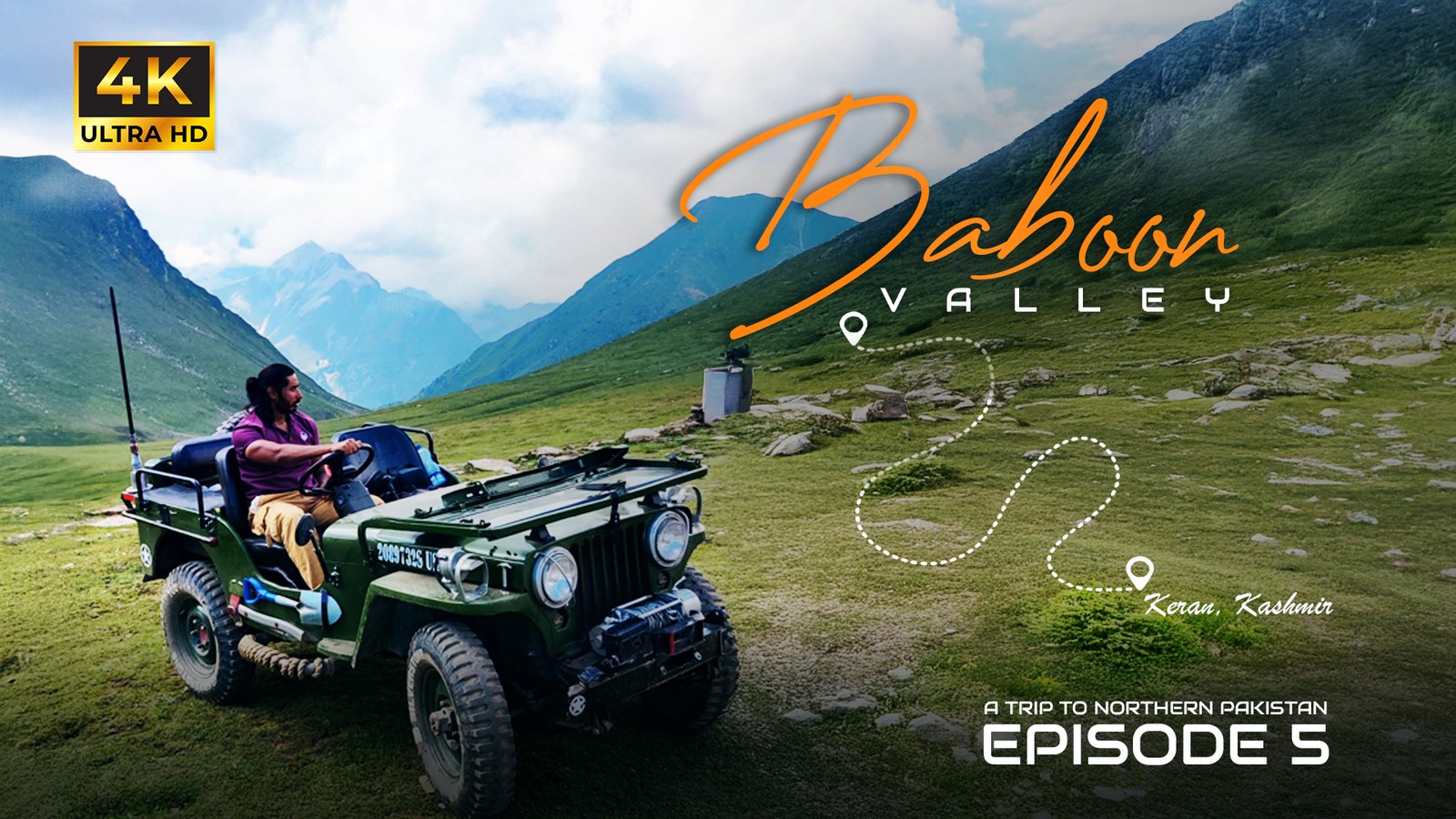
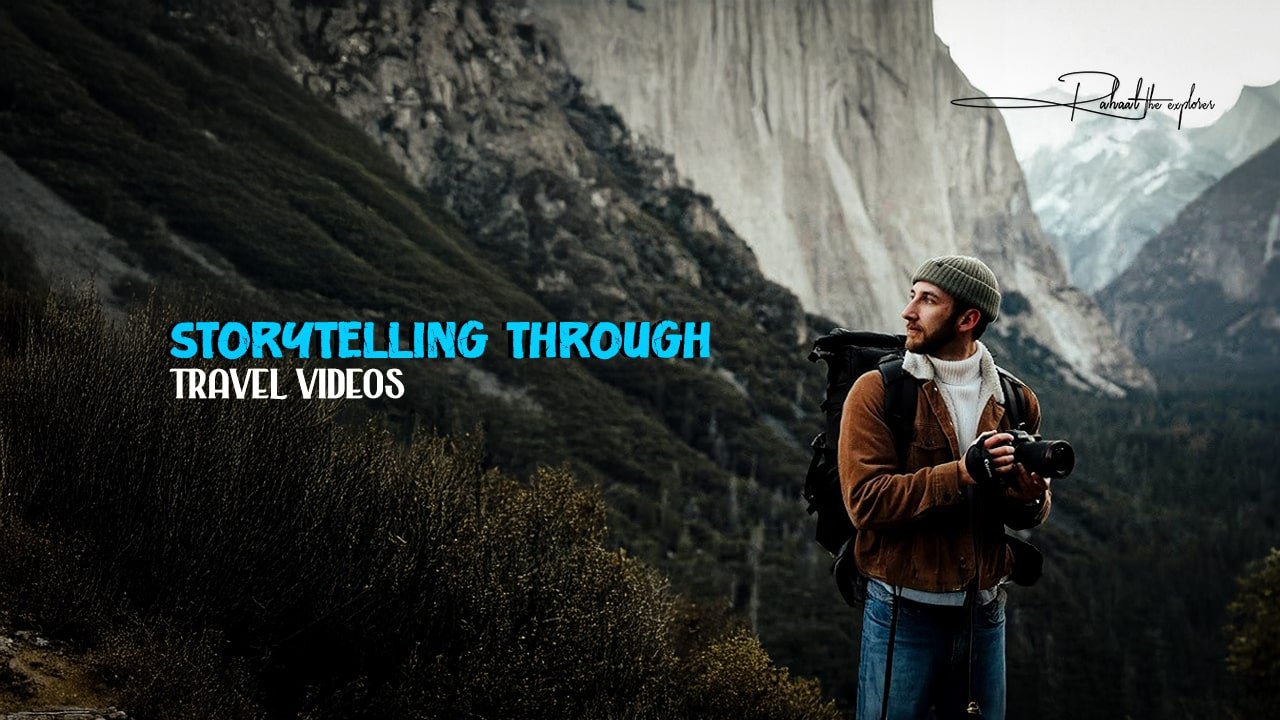

Travel videos are more than beautiful destinations and cinematic drone shots. What truly makes viewers stay, engage, and return to your channel is the story behind the journey. Storytelling transforms a simple travel vlog into an emotional experience. Whether you are exploring a new city or sharing a cultural tradition, the narrative helps viewers connect to your adventure on a deeper level.
This comprehensive guide reveals how video creators can use storytelling techniques to make travel content more meaningful. With the right approach, your videos can entertain, educate, and inspire all at once. If you want to stand out in the competitive travel niche, mastering these travel storytelling tips is essential.
Why Storytelling Matters in Travel Content
Scenes of beaches, mountains, and food may look amazing, but without context or emotional direction, viewers lose interest. Storytelling gives purpose to every clip you capture.
Here is why storytelling is important:
- Builds a strong emotional connection with viewers
- Helps audiences relate to your experiences
- Increases viewer retention and watch time
- Encourages viewers to subscribe and follow your journey
- Makes your content memorable and shareable
Great storytelling keeps the viewer curious about what comes next. It encourages them to stay until the end, which supports strong performance in YouTube’s algorithm.
Every Journey Has a Story: Find Your Narrative Angle
Before filming, consider what message or theme you want to deliver. Instead of showcasing random events, identify your purpose.
Examples of narrative angles:
- A challenge you want to overcome during the trip
- A cultural experience that changed your perception
- Exploring the hidden side of a popular destination
- Meeting inspiring people or learning about a tradition
- A personal transformation, like facing your fears
Your story can be simple, but genuine. Authenticity attracts loyal viewers.
Structure Your Video Like a Story
Every good story has:
- Beginning: Introduction of place, purpose, and expectations
- Middle: Main events, discoveries, or challenges
- Ending: Conclusion and what you learned
This format keeps the video clear and engaging. You can follow classic storytelling structures like:
- Hero’s journey: You face a challenge, overcome it, and grow
- Quest format: Searching for something meaningful or hidden
- Narrative loop: Ending connects back to the beginning
Even travel tutorials and guides become more compelling when storytelling guides the sequence.
Character Development: You Are the Main Protagonist
Your audience watches not only for the destination but also for you. Build your storytelling by showing personality, reactions, and emotions.
Ways to enhance character presence:
- Share personal thoughts and frustrations
- Capture candid moments
- Let viewers see both success and mistakes
- Show vulnerability when things go wrong
This transparency builds trust and resonates emotionally. Even subtle character growth such as learning a new skill or adopting a cultural habit adds depth.
Create Anticipation and Peaks in Your Story
Effective storytelling keeps viewers curious. Use tension and release moments to drive interest.
Add excitement through:
- Unexpected events or challenges
- Revealing locations gradually
- Building up to a big moment or surprise
- Using shorter cuts during high-energy scenes
Even in peaceful travel content, anticipation can be created by hinting at an upcoming remarkable experience.
Dialogue and Voiceover: Narration That Guides the Audience
Voiceovers allow you to express emotions, explain context, and guide the storyline. They turn random clips into a narrative sequence.
Voiceover Tips:
- Keep it conversational and natural
- Share feelings and reflections
- Avoid unnecessary details that slow the story
- Match tone with visuals
Bring viewers into your world by making them feel like travel companions.
Cinematic Shots with Purpose
Beautiful footage strengthens storytelling. Instead of shooting everything, capture clips that support the narrative:
Types of valuable shots:
- Establishing shots to set the scene
- Close-ups for emotions and details
- Action shots for movement
- Point-of-view angles to create immersion
Each shot should contribute to the audience’s understanding of the story.
Highlight Cultural Experiences
Culture is the heart of travel storytelling. Share interactions with people, traditions, food, and lifestyle.
Ways to add cultural depth:
- Interview locals or include conversations
- Show behind-the-scenes cultural tidbits
- Explain historical or cultural significance
- Eat local food and describe the flavors sincerely
Connecting with the culture shows respect and enriches the audience experience.
Add Sound, Music, and Ambient Audio
Sound is an emotional tool in video storytelling. Music strengthens atmosphere and enhances narrative flow.
Use sound elements such as:
- Background music that matches the story mood
- Real ambient sound from the environment
- Silence for emotional emphasis
- Subtle transitions for smooth flow
Good audio choices can turn a simple moment into a cinematic highlight.
Smooth Transitions Strengthen the Narrative
Transitions help link scenes and maintain flow. They prevent viewers from feeling disconnected between shots.
Simple but effective transitions:
- Match cuts between similar movements
- Fade sequences for changes in time
- Natural camera motion transitions
- Text overlays for chapter moments
This keeps viewers focused and helps storytelling remain clear.
Engage Viewers with Questions and Personal Reflections
Asking questions encourages emotional involvement.
Examples:
- Would you try this adventure
- What would you do in this situation
- Have you ever visited a similar place
Your viewers feel more connected when their opinions matter.
Include Conflict or Challenges
Travel is not always smooth. Limited budget, language barriers, lost luggage, or bad weather can turn into strong storytelling moments.
Why conflict helps:
- Builds suspense
- Allows character development
- Makes the story believable
- Shows resilience and adaptability
Transform problems into storytelling opportunities.
Editing for Story Impact
The editing stage is where the narrative finally takes shape.
Editing strategies:
- Remove clips that do not support the story
- Adjust pacing according to mood
- Add titles or text as guidance
- Color grade for emotional consistency
A polished edit maintains viewer interest and brings clarity to your message.
Use Storytelling to Support SEO and Audience Growth
Story-driven travel videos often rank better because:
- Higher watch time supports YouTube’s algorithm
- Engaged viewers are more likely to like, comment, and subscribe
- More shares help build organic reach
- Returning viewers increase channel authority
High-quality storytelling creates loyal audiences who value your content beyond visuals. That leads to steady channel growth.
Inspire Action and Emotion in Viewers
A powerful story transforms viewers from passive watchers into active dreamers. Inspire them to:
- Visit new places
- Try new cultures
- Overcome fears
- Appreciate nature and people
When viewers feel something, they remember your content.
Implement These travel storytelling tips in Every Video
Whether you are a beginner or an established travel creator, storytelling will always be a key tool in differentiating your content. Strong narratives make your travel videos personal, emotional, and unforgettable.
To recap the major travel storytelling tips:
- Create a structure: beginning, middle, end
- Focus on emotional connection
- Narration and dialogue guide the audience
- Capture shots with meaning, not random visuals
- Include cultural depth and natural sound
- Highlight challenges, not just perfect scenes
Storytelling will turn your passion for travel into relatable content that leaves a lasting impact.
FAQs
Q1. Is storytelling necessary for travel vlogging
Yes, storytelling helps increase viewer engagement, audience retention, and emotional connection.
Q2. How can I find stories while traveling
Look for unique moments, cultural interactions, challenges, or personal experiences that influence your journey.
Q3. What is the biggest mistake in travel storytelling
Filming without a narrative plan. Random clips do not hold attention without context or direction.
Q4. Can beginners apply these tips
Absolutely. These techniques are simple and can be added gradually as your filming skills improve.
Q5. Do I need advanced editing software
Basic video editors are enough at the start. Focus on storytelling first, then upgrade tools over time.
Final Thoughts
Travel videos become truly unforgettable when they carry a story. Combine appealing visuals with emotion, structure, and authenticity to connect with viewers in a meaningful way. With the right approach to storytelling, every journey you document will have the power to inspire, educate, and entertain.
I hope this guide helps you create stronger narratives in your travel content. If you want, I can also create the next blog for Rahaal the Explorer with SEO best practices and your preferred topics. Would you like to continue with another travel-related blog?