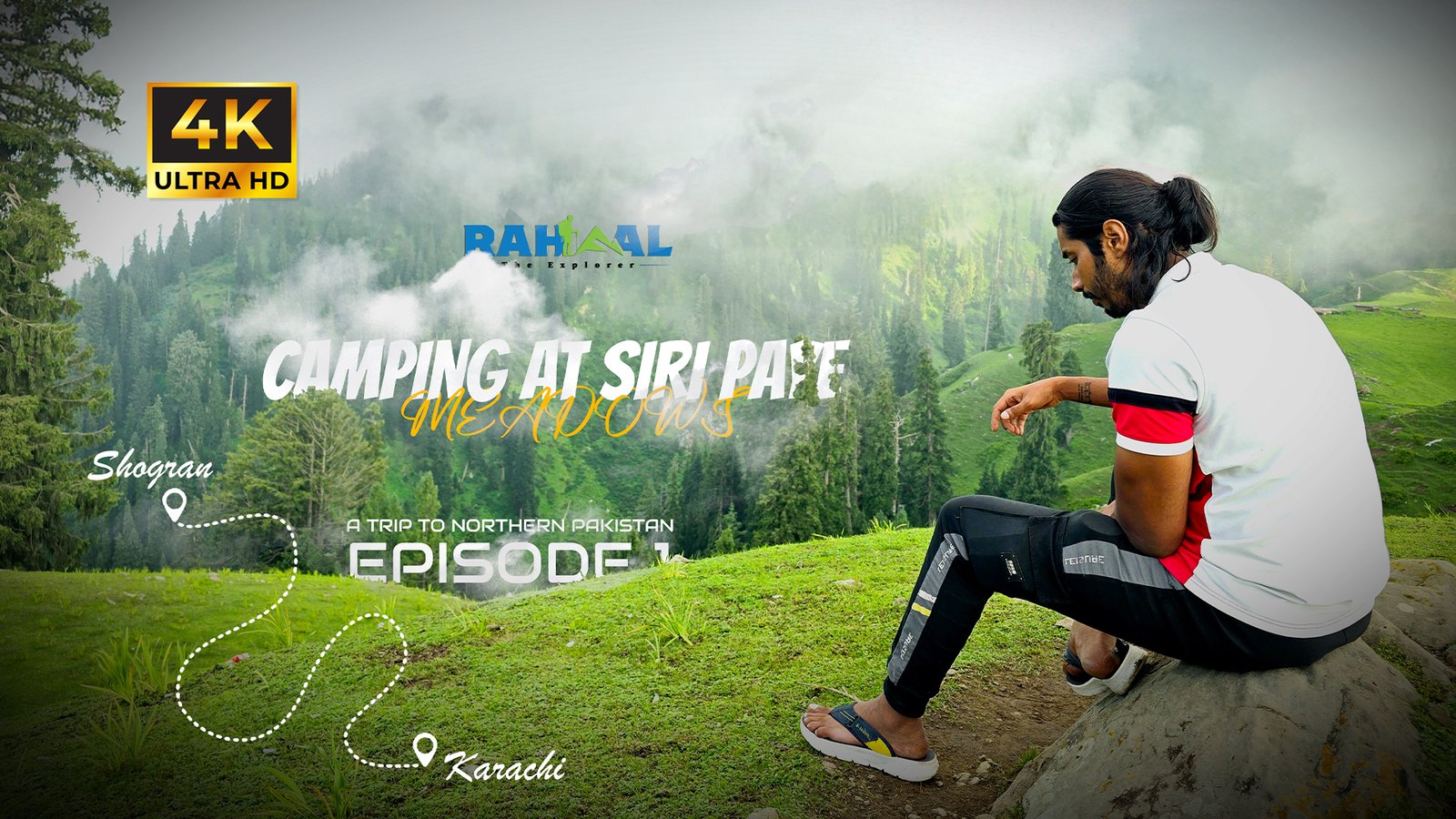


Search Engine Optimization has become the backbone of successful travel blogging. With millions of travel blogs fighting for visibility, only those who understand SEO and Google’s ranking requirements stand out. If you run a travel website like Rahaal The Explorer, mastering seo tips for travel blogs is the smartest move to drive long-term traffic and build strong reader authority.
This in-depth guide covers everything from keyword placement and content structure to improving user experience and earning backlinks. Whether you are a beginner or a pro travel writer, these strategies will give you a competitive SEO advantage in 2025 and beyond.
Why SEO Matters for Travel Bloggers
Travel is one of the most competitive niches online. Great storytelling alone is no longer enough to rank. Google’s algorithm focuses on:
Relevance to user intent
Authority and credibility of the content
Quality user experience and site performance
When you apply the right seo tips for travel blogs, Google understands your content better, recommends it to the right audience, and increases your organic traffic.
Without SEO, your best articles may remain invisible, no matter how valuable they are.
SEO Best Practices Travel Bloggers Must Follow
Below are the most effective and modern travel SEO strategies every blogger should implement.
1. Focus on Topic Clusters and Travel Niches
Travel is huge as a category. You need to be specific.
Instead of writing randomly about every destination, choose a primary niche such as:
- Solo female travel
- Food and cultural trips
- Adventure and trekking
- Luxury slow travel
- Backpacking guides
- Google ranks websites with clear topical focus higher because they show expertise. Each niche should include multiple supporting blogs that link to each other.
Example cluster:
- Main topic: Complete Travel Guide to Northern Pakistan
- Supporting topics: Best Hotels in Naran, Top Attractions in Hunza, Where to Eat in Skardu, Packing Essentials for Gilgit Baltistan, etc.
This builds topical authority and boosts visibility fast.
2. Keyword Optimization with Travel User Intent
Your keyword strategy should match what travelers search:
- Best destinations content (Trip planners search)
- Travel costs content (Budget travelers search)
- Itinerary and things-to-do guides (Tourists on-ground search)
- Seasonal travel tips (High search volume annually)
Place your target keyword such as seo tips for travel blogs in:
- Meta Title
- Meta Description
- H1 Heading
- First paragraph
- Few H2 headings
- Alt-text of images
- 2–3 times naturally inside content
Avoid keyword stuffing. Write for humans first, Google second.
3. Create Long-Form Informational Content
Blogs above 1600+ words perform better because:
- Google sees them as more comprehensive
- Readers spend more time on your website
- They naturally attract more backlinks
Every article should provide depth with:
- Location history
- Transport and cost guides
- Safety tips
- Best times to visit
- Local secrets and recommendations
Information-rich blogs rank faster in travel search results.
4. Use High-Quality Original Photos and Videos
Visual content is crucial in travel blogging. Google now recognizes unique images and ranks them in search results.
Best practices:
- Upload original images instead of common stock photos
- Set descriptive file names like “Hunza-Valley-Autumn-Views.jpg”
- Write alt-text describing the image for accessibility
High-quality visuals increase time on page and reduce bounce rate.
5. Improve Page Speed for Mobile Users
More than 75% of travel readers search on phones while traveling. Slow websites reduce traffic.
To boost speed:
- Compress images
- Remove unnecessary plugins
- Use efficient hosting
- Enable browser caching
- Switch to lightweight themes
Fast websites equal better rankings.
6. Build Internal Linking for Travel Topic Authority
Internal links help:
- Google understand your content structure
- Users discover more articles
- Increase time on site
Example:
Link your Jaipur travel guide to best places to eat in Jaipur, transportation tips, and weather recommendations.
Topical relationships improve SEO signals strongly.
7. Earn High-Quality Backlinks
Backlinks remain one of Google’s strongest ranking factors.
To attract links:
- Guest blog on relevant travel sites
- Join tourism collaborations
- Publish original research or checklists
- Create shareable travel resources
A single backlink from an authoritative travel magazine can boost your ranking significantly.
8. Optimize for Local SEO When Writing Destination Guides
If you write about specific cities or destinations:
- Add location-based keywords like “best hotels in Dubai Marina”
- Include local areas and attraction names
- Use Google Maps embeds and address details if applicable
Local intent results attract highly targeted traffic.
9. Feature E-A-T: Expertise, Authority, Trustworthiness
Google rewards trustworthy content. To improve E-A-T:
- Share your personal travel experience
- Add author bio with credentials
- Fact-check data from reliable sources
- Include date updates for accuracy
Readers should feel your information is reliable and proven.
10. Ensure Excellent Website Navigation and Structure
A confused visitor quickly leaves, increasing bounce rate. Make your travel website clean and well-organized:
- Clear categories like Destinations, Tips, Itineraries
- Search bar for quick access
- Breadcrumb navigation
- Optimized menus and tags
A user-friendly site equals better engagement and SEO value.
11. Update Your Old Content Regularly
Travel information becomes outdated quickly.
Update:
- Pricing
- Transportation details
- Hotel recommendations
- Opening hours
- Local rules
Constant updates show Google that your content remains fresh and relevant.
12. Add Seasonal and Trending Travel Content
Search volume spikes during:
- Holidays: Eid, Christmas, New Year
- Summer vacations
- Local festivals and tourism events
Publishing seasonal content early helps you rank before demand peaks.
Bonus Tip: Brand Storytelling Boosts Content Value
While SEO helps readers find your blog, connecting through storytelling keeps them coming back.
Share:
- Your mistakes
- Unique experiences
- Hidden spots you discovered
- Advice you wish you had earlier
Combine SEO strategy with personal authenticity for long-term success.
Putting it All Together
Mastering these seo tips for travel blogs will help you:
- Improve visibility in search engines
- Build loyal readers and organic traffic
- Position your website as an authority in your niche
- Grow your travel blogging career sustainably
Search success does not happen overnight. But with consistency and smart optimization, your content will continue to perform and rank better over time.
FAQs: SEO Tips for Travel Blogs
1. How long should a travel blog post be for SEO?
Aim for 1600–2500 words. Longer, informative content ranks higher because it fully satisfies search intent.
2. How many times should I use my primary keyword?
Use it naturally about 3–4 times including title, introduction, subheadings, and alt-text.
3. Why is site speed important for travel SEO?
Slow websites lose impatient mobile users, increasing bounce rate and lowering rankings.
4. Do backlinks really matter for travel bloggers?
Yes. They act as votes of trust. The more authority sites that link to you, the higher Google ranks your content.
5. Can a new travel blogger still rank in such a competitive niche?
Absolutely. Focusing on niche topics and local SEO can help new blogs outrank major websites.
Final Thoughts
SEO is the smartest long-term investment you can make for your travel website. When you commit to strong optimization, Google rewards you with continuous traffic and engaged readers.
Start implementing these proven seo tips for travel blogs into your content strategy today, and watch Rahaal The Explorer climb the search rankings step by step.